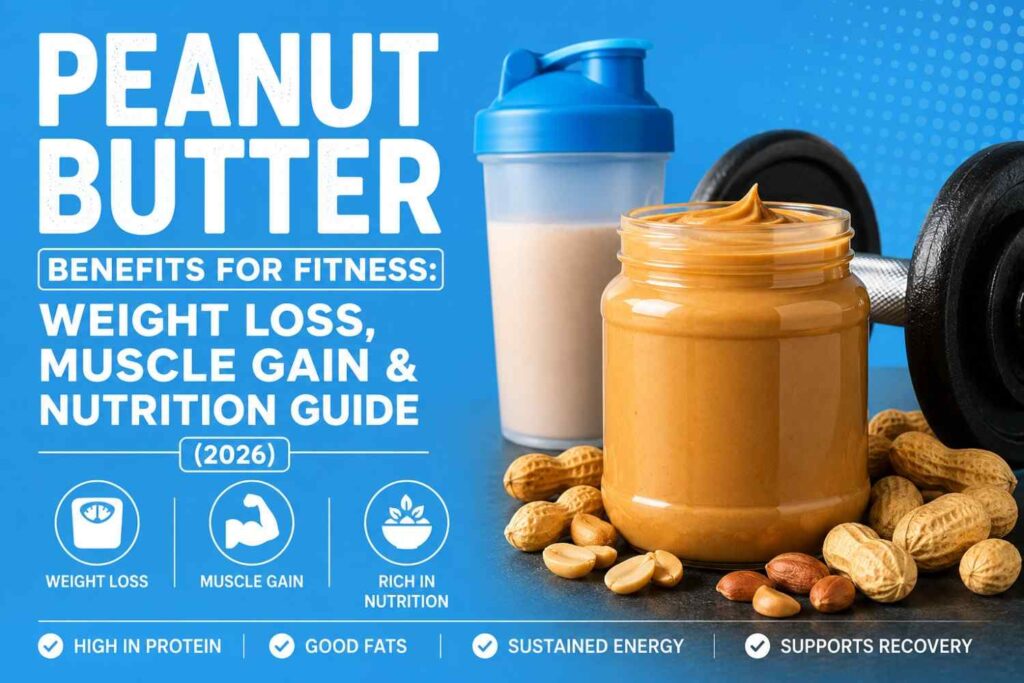

If you are on a fitness journey, you have probably heard people argue about whether peanut butter is a friend or an enemy to your goals. The truth is simple: understanding the real peanut butter benefits for fitness can help you use this humble spread as a powerful tool for weight loss, muscle building, and overall health — instead of accidentally sabotaging your progress.
In this complete 2026 guide, we will break down everything you need to know about peanut butter, including its nutrition profile, how it supports muscle gain, how it can help with weight loss, the best ways to eat it, and common mistakes people make.
Walking vs Running for Weight Loss (2026): Which Burns More Fat? Complete Guide
W\hy Peanut Butter Deserves a Spot in Your Fitness Diet
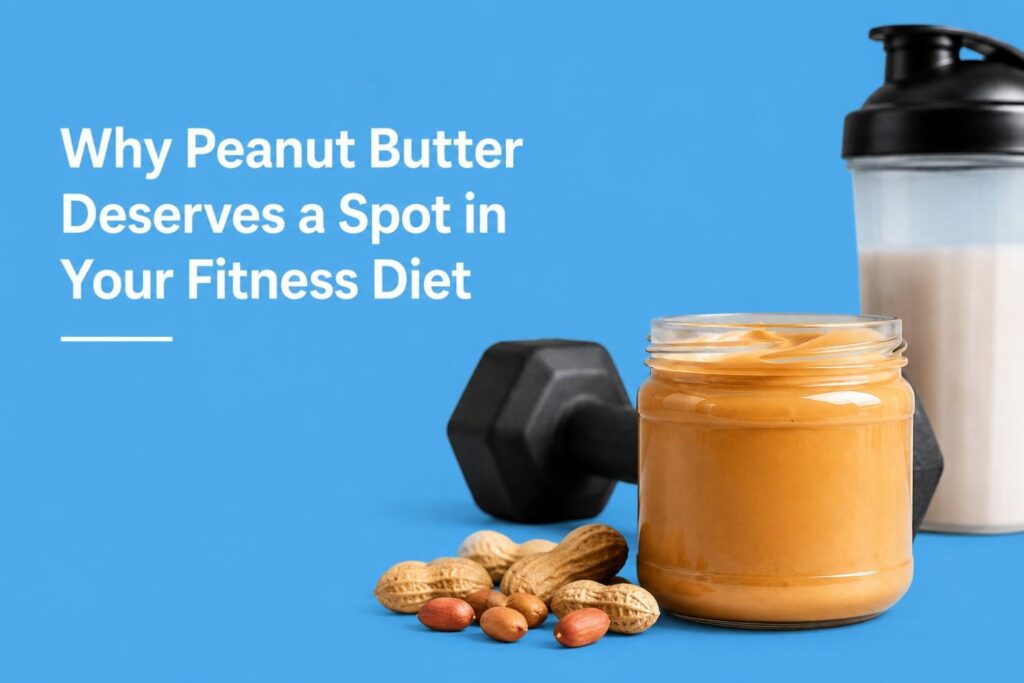
Peanut butter is not just a tasty spread for your toast. It is a nutrient-dense food packed with protein, healthy fats, fiber, and essential vitamins. When you look closely at the peanut butter benefits for fitness, you realize why so many athletes, bodybuilders, and everyday gym-goers keep a jar in their kitchen.
Two tablespoons (about 32 grams) of natural peanut butter typically contain:
- Around 190–200 calories
- 7–8 grams of protein
- 16 grams of healthy fats
- 2–3 grams of fiber
- Vitamin E, magnesium, and potassium
This combination makes peanut butter a calorie-dense, nutrient-rich food that fits perfectly into both muscle-building and fat-loss plans, depending on how you use it.
Best Breakfast for Weight Loss and Fat Loss: 15 Healthy Indian Options (2026)
Peanut Butter Benefits for Fitness: The Core Advantages
1. Supports Muscle Growth and Recovery
Protein is the building block of muscle tissue, and peanut butter provides a decent plant-based protein source. While it is not a complete protein on its own, when combined with whole grains, dairy, or other protein sources throughout the day, it contributes meaningfully to your daily protein intake.
The healthy fats in peanut butter also help reduce inflammation after intense workouts, which can support faster recovery times. This is one of the most overlooked peanut butter benefits for fitness enthusiasts who train regularly.
2. Provides Long-Lasting Energy
Because peanut butter combines protein, fat, and fiber, it digests slowly. This means it releases energy steadily rather than causing a quick spike and crash in blood sugar. For anyone doing strength training, cardio, or endurance sports, this steady energy release can help you power through longer workouts without feeling sluggish.
3. Helps Control Hunger and Supports Weight Loss
One of the biggest myths is that peanut butter is bad for weight loss because it is calorie-dense. In reality, the fiber and protein content help you feel full for longer, which can reduce overall snacking and calorie intake throughout the day.
When eaten in controlled portions, peanut butter can actually be a smart weight-loss ally. A small spoonful with an apple or a small serving on whole-grain toast can satisfy cravings for something creamy or sweet, without derailing your calorie goals.
4. Rich in Heart-Healthy Fats
Most of the fat in peanut butter is monounsaturated and polyunsaturated fat — the same type of heart-friendly fat found in olive oil and avocados. These fats support healthy cholesterol levels, which is important for anyone serious about long-term fitness and overall wellness, not just short-term aesthetics.
5. Convenient and Versatile
Unlike many “fitness foods,” peanut butter requires zero preparation. You can add it to smoothies, oatmeal, pancakes, rice cakes, or simply eat it straight from the jar (in moderation). This convenience makes it easier to stay consistent with your nutrition plan, which is often the real key to results.
Healthy Foods for Weight Loss (2026) – Top 25 Foods That Help Burn Fat Naturally
Peanut Butter for Weight Loss: How to Use It Correctly
Weight loss ultimately comes down to maintaining a calorie deficit while preserving muscle mass and staying satisfied. Here is how to make peanut butter work in your favor:
15 Fitness and Diet Tips for Fast Weight Loss at Home (Beginner’s Guide)”
- Watch your portions – Stick to 1–2 tablespoons per serving. It is easy to overeat peanut butter because it tastes so good.
- Choose natural peanut butter – Look for options with just peanuts and salt, avoiding added sugars and hydrogenated oils.
- Pair it with fiber-rich foods – Combine it with fruits like bananas or apples to increase satiety without excessive calories.
- Use it as a pre-workout snack – A small amount 30–45 minutes before training can provide sustained energy.
- Avoid mindless eating – Measure your serving instead of eating directly from the jar without tracking
Peanut Butter for Muscle Gain: Building an Effective Bulking Strategy
If your goal is to build muscle, peanut butter can help you hit your daily calorie surplus in a healthy way. Since gaining muscle requires consistent extra calories along with adequate protein, here is how to maximize the peanut butter benefits for fitness goals focused on size and strength:
- Add it to smoothies – Blend two tablespoons of peanut butter with milk, banana, and protein powder for a calorie-dense, muscle-friendly shake.
- Spread it on whole-grain bread – Combine complex carbs with healthy fats and protein for a balanced muscle-building snack.
- Mix it into oatmeal – This turns a simple breakfast into a high-calorie, nutrient-packed meal ideal for bulking phases.
- Use it post-workout – Combining peanut butter with a fast-digesting protein source can help replenish energy and support muscle repair.
Nutritional Comparison: Natural vs. Processed Peanut Butter
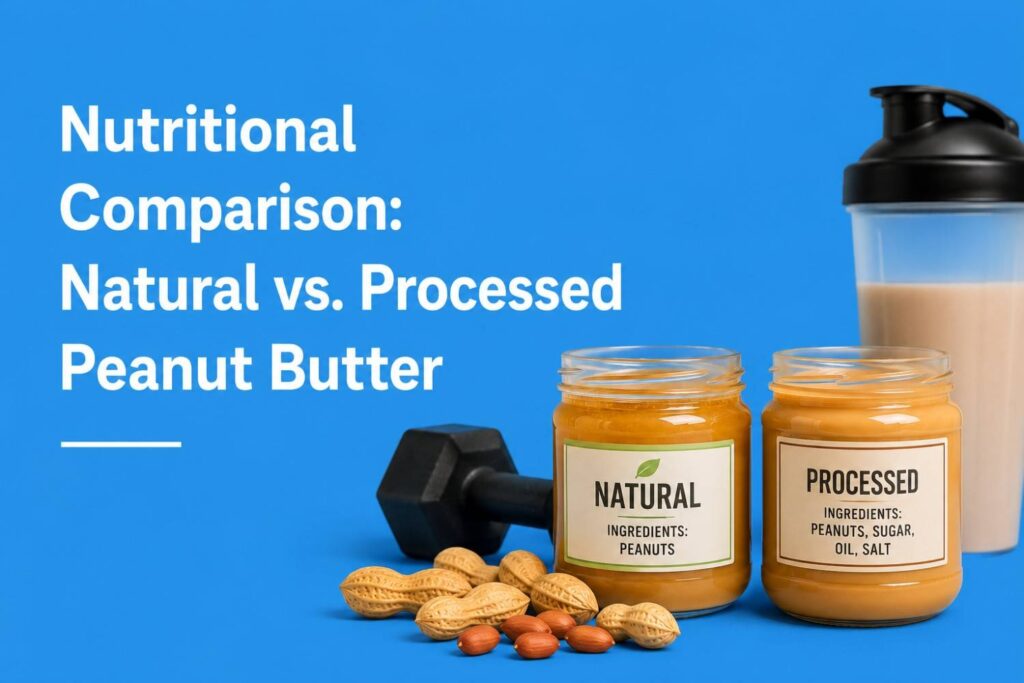
Not all peanut butter is created equal, and this matters a lot for fitness results.
| Type | Added Sugar | Added Oils | Protein Quality | Best For |
|---|---|---|---|---|
| Natural Peanut Butter | None | None | High | Weight loss, muscle gain, daily use |
| Commercial/Processed | Often high | Hydrogenated oils | Diluted | Occasional treat, not ideal for fitness goals |
Choosing natural peanut butter ensures you get the true peanut butter benefits for fitness without unnecessary sugar or unhealthy fats that can work against your progress.
“Best Daily Fitness Tips for Beginners at Home (2026 Guide)
Best Times to Eat Peanut Butter for Fitness Goals
Timing can make a difference depending on your specific goal:
- Morning: Adding peanut butter to breakfast provides sustained energy and helps prevent mid-morning hunger.
- Pre-Workout: A small serving 30–45 minutes before exercise offers a steady energy source.
- Post-Workout: Paired with a protein source, it supports muscle recovery.
- Evening Snack: A small amount can curb late-night cravings without a major calorie hit, useful for those managing weight loss.
Common Mistakes People Make With Peanut Butter
Even with all these benefits, many people unintentionally reduce the effectiveness of peanut butter in their fitness routine. Watch out for these common errors:
Fitness Tips at Home (India) – Complete Guide for Daily Fitness
- Overeating due to its high calorie density – Two tablespoons can quickly turn into six without realizing it.
- Choosing sugary or heavily processed brands – These add unnecessary calories with little nutritional benefit.
- Relying on it as a main protein source – Peanut butter should complement, not replace, complete protein sources like eggs, chicken, fish, or dairy.
- Ignoring portion control during weight loss phases – Even healthy fats need to be tracked when you are in a calorie deficit.
Sample Daily Peanut Butter Fitness Plan
Here is an example of how to incorporate peanut butter throughout a fitness-focused day:
- Breakfast: Oatmeal topped with one tablespoon of peanut butter and sliced banana
- Pre-Workout Snack: Half a tablespoon of peanut butter with a small apple
- Post-Workout: Protein shake blended with one tablespoon of peanut butter
- Dinner: Balanced meal with lean protein, vegetables, and complex carbs
- Evening (optional): Half a tablespoon of peanut butter with celery sticks
This approach allows you to enjoy the peanut butter benefits for fitness while staying aligned with either weight loss or muscle gain goals.
Top Protein Foods For Muscle Gain in India The Complete Guide
Frequently Asked Questions
Is peanut butter good for weight loss or weight gain?
It can support both, depending on portion size and overall calorie intake. Smaller portions support weight loss, while larger portions combined with a calorie surplus support weight gain.
How much peanut butter should I eat daily for fitness?
Most fitness experts recommend 1–3 tablespoons per day, depending on your calorie needs and overall diet plan.
Is natural peanut butter better than regular peanut butter?
Yes, natural peanut butter without added sugar or hydrogenated oils is a healthier choice for anyone focused on fitness results.
Can peanut butter help build muscle?
Yes, when combined with adequate protein intake and resistance training, peanut butter can support muscle growth through its calorie density and nutrient profile.
Final Thoughts
The peanut butter benefits for fitness are clear: it supports muscle recovery, provides long-lasting energy, helps control hunger, and offers heart-healthy fats, all while being incredibly convenient and versatile. Whether your goal is weight loss or muscle gain, peanut butter can be a valuable part of your nutrition strategy when eaten in the right portions and paired with a balanced diet.
As with any food, moderation and quality matter. Choose natural peanut butter, track your portions, and integrate it thoughtfully into your meals and snacks to get the most out of this simple yet powerful fitness food in 2026 and beyond.