

If you’re serious about fitness, you’ve probably asked yourself: should I drink coconut water or fruit juice after my workout? Both drinks look healthy on the surface, but they behave very differently inside your body. In this guide, we break down coconut water vs fruit juice in terms of hydration, calories, weight loss, and workout recovery, so you can pick the right one for your fitness goals.
Choosing between coconut water vs fruit juice can feel confusing when both are marketed as “healthy,” but understanding their nutritional differences makes the decision much easier.
What Is Coconut Water?
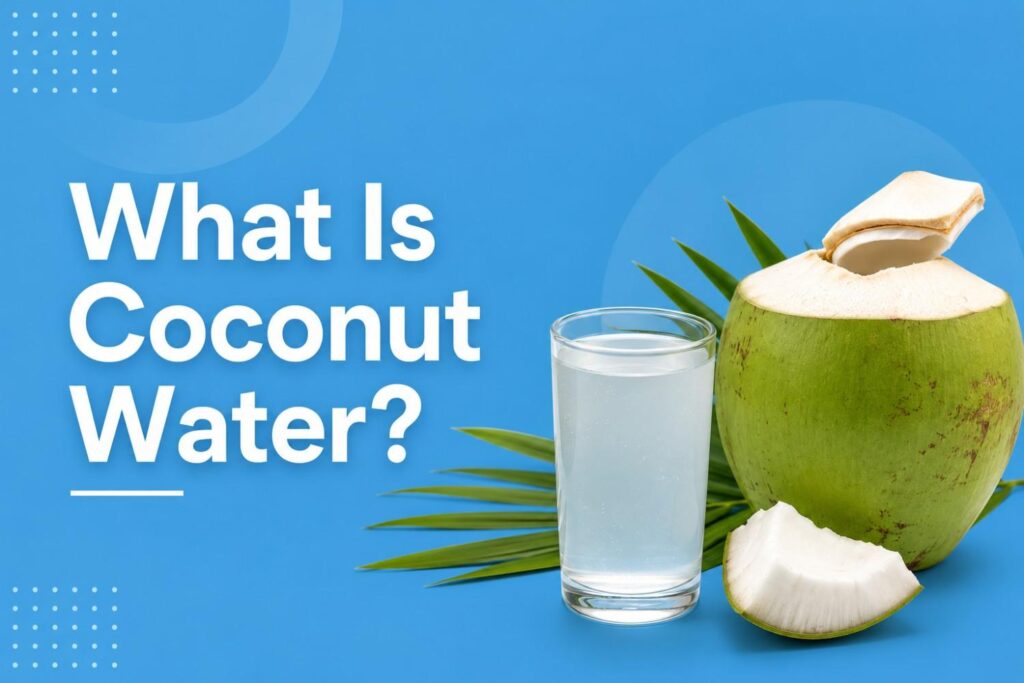
Coconut water is the clear liquid found inside young, green coconuts. It’s naturally low in calories and packed with electrolytes like potassium, sodium, and magnesium. Because of this electrolyte profile, coconut water is often called “nature’s sports drink.”
Best Time to Eat Avocado for Weight Loss: Before or After Workout? (2026 Guide)
What Is Fruit Juice?
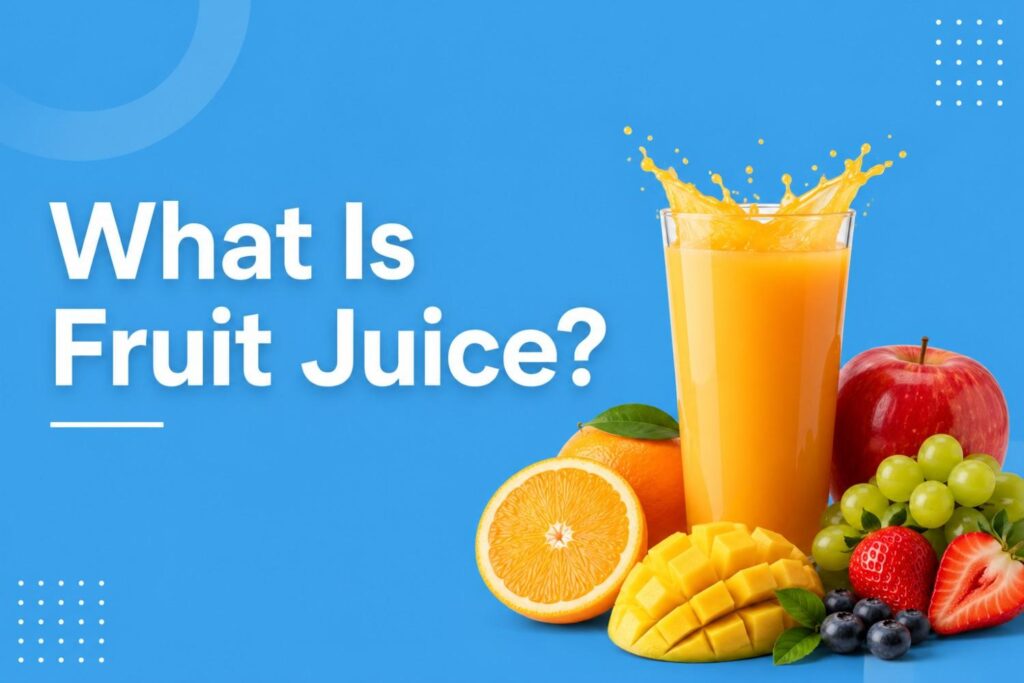
Fruit juice is the liquid extracted from fruits such as oranges, apples, mangoes, or pomegranates. While it does contain vitamins and antioxidants, most commercial fruit juices are also high in natural sugars and calories, especially when consumed in large quantities or when store-bought versions contain added sugar.
Does Honey Help in Weight Loss? Benefits, Myths & Best Ways to Use It (2026 Guide)
Coconut Water vs Fruit Juice: Nutritional Comparison
Here’s a quick side-by-side look at how these two drinks compare nutritionally:
- Calories: Coconut water has roughly 45 calories per cup, while fruit juice can range from 110–150 calories per cup.
- Sugar content: Coconut water contains about 6g of natural sugar, whereas fruit juice often has 20–26g per serving.
- Electrolytes: Coconut water is rich in potassium and sodium, making it excellent for hydration. Fruit juice has minimal electrolyte content.
- Fiber: Whole fruit juice (with pulp) has slightly more fiber than coconut water, but most packaged juices lose fiber during processing.
- Vitamin C: Fruit juices, especially citrus-based ones, are higher in vitamin C than coconut water.
Coconut Water vs Fruit Juice for Weight Loss
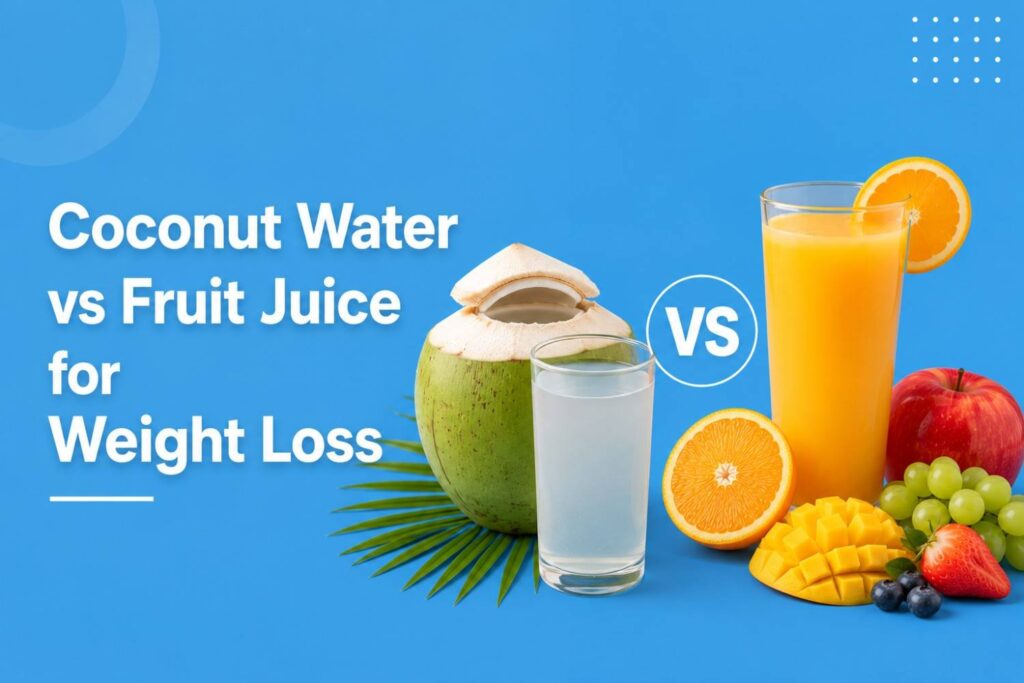
If weight loss is your main goal, coconut water is generally the smarter choice. Its lower calorie and sugar content make it easier to stay within a calorie deficit without spiking blood sugar. Fruit juice, on the other hand, is calorie-dense and can quickly add up, especially if you’re drinking multiple glasses a day.
Key points to remember:
- Coconut water keeps you full longer due to slower sugar absorption.
- Fruit juice can cause sugar crashes, leading to increased hunger.
- Diluted fresh fruit juice (without added sugar) is a better option than store-bought versions if you prefer juice.
- Best Time to Eat Banana for Weight Loss: Morning, Before or After Workout? (2026 Guide)
Coconut Water vs Fruit Juice for Workout Recovery
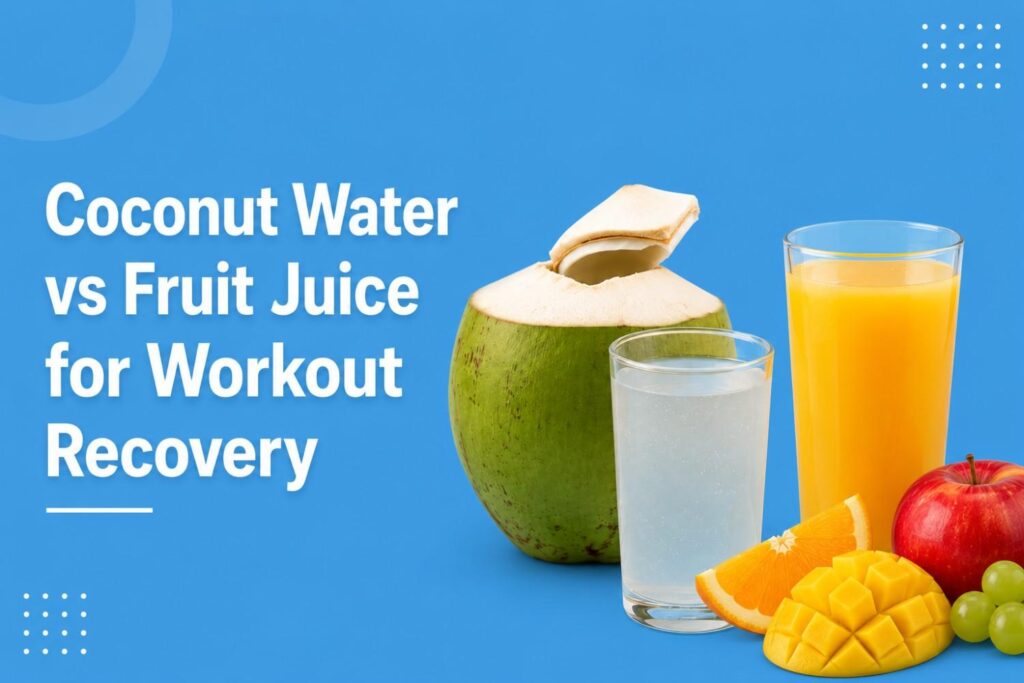
After an intense workout, your body loses fluids and essential minerals through sweat. This is where coconut water truly shines. Its natural electrolyte balance helps restore hydration levels faster than plain water or sugary fruit juice.
Fruit juice does offer quick carbohydrates, which can help replenish glycogen stores after long endurance sessions like marathon running or cycling. However, for shorter workouts like weight training or HIIT, coconut water is generally more effective for recovery without the sugar overload.
Beetroot Juice Before Workout: Benefits, Best Time to Drink & How Much (2026 Guide)
Which One Should You Choose?

Your choice between coconut water and fruit juice should depend on your specific fitness goal:
- For daily hydration and light workouts: Choose coconut water.
- For weight loss and calorie control: Choose coconut water.
- For long-duration endurance training: A small amount of natural fruit juice can help replenish glycogen.
- For general health and antioxidants: Fresh fruit juice (without added sugar) is beneficial in moderation.
- Makhana vs Almonds for Muscle Gain: Which Is Better? Nutrition, Protein & Benefits (2026 Guide)
Pro Tips for Fitness Enthusiasts

- Always choose fresh or natural coconut water over packaged versions with added sugar or preservatives.
- If drinking fruit juice, opt for freshly squeezed juice instead of store-bought concentrates.
- Drink coconut water within 30–45 minutes after your workout for optimal electrolyte recovery.
- Avoid drinking large quantities of fruit juice on an empty stomach, as it can spike blood sugar levels quickly.
- Combine coconut water with a pinch of sea salt for an even more effective post-workout electrolyte drink.
- Peanut Butter Benefits for Fitness: Weight Loss, Muscle Gain & Nutrition Guide (2026)
Final Verdict
When comparing coconut water vs fruit juice for fitness, weight loss, and workout recovery, coconut water comes out ahead for most fitness goals thanks to its lower sugar content, natural electrolytes, and superior hydration properties. Fruit juice still has its place, especially for quick energy during long workouts, but it should be consumed in moderation due to its higher sugar and calorie content.
For most people focused on fitness and fat loss, coconut water is the better everyday choice, while fruit juice can be reserved as an occasional treat or a targeted recovery drink after long endurance sessions. Ultimately, the coconut water vs fruit juice debate comes down to your personal fitness goals and how you plan to use each drink in your routine.
FAQs
Q1. Is coconut water better than fruit juice for weight loss?
Yes, coconut water is generally better for weight loss because it has fewer calories and less sugar compared to most fruit juices.
Q2. Can I drink coconut water daily?
Yes, coconut water can be consumed daily in moderate amounts (1–2 cups) as part of a balanced diet, especially for people who exercise regularly.
Q3. Which is better after a workout, coconut water or fruit juice?
Coconut water is usually better after short to moderate workouts because it rehydrates the body quickly with natural electrolytes. Fruit juice may be more useful after long endurance workouts for quick energy.
Q4. Does coconut water have sugar?
Yes, but in much smaller amounts than fruit juice — about 6g per cup compared to 20–26g in most fruit juices.
Q5. Is fresh fruit juice healthier than packaged juice?
Yes, fresh fruit juice without added sugar or preservatives is a healthier option than most packaged or bottled juices.