

Avocados have earned a permanent spot in the world of healthy eating, and for good reason. They’re creamy, satisfying, and loaded with nutrients that support fat loss when eaten correctly. But one question keeps popping up in fitness communities every single day: what is the best time to eat avocado for weight loss? Should you eat it before your workout for energy, or after your workout for recovery? In this 2026 guide, we’ll break down the science, the timing, and the practical strategies so you can finally get a clear answer.
Why Avocado Deserves a Place in Your Weight Loss Diet
Before diving into timing, it helps to understand why avocado is such a powerful food for anyone trying to lose weight. Unlike most fruits, avocados are low in sugar and high in heart-healthy monounsaturated fats. These fats slow digestion, keep you feeling full for longer, and help prevent the blood sugar spikes that often trigger cravings.
Avocados are also rich in fiber — a single medium avocado contains around 10 grams. Fiber is one of the most underrated tools for weight loss because it improves satiety, supports gut health, and helps regulate insulin levels. This is exactly why understanding the best time to eat avocado for weight loss matters so much: eating it at the right moment can amplify these benefits instead of wasting them.
10 Best Fruits to Eat After a Home Workout for Faster Recovery (2026)
The Science Behind Meal Timing and Fat Loss
Nutrition timing isn’t just a trend — it genuinely affects how your body uses the food you eat. When you consume healthy fats like those in avocado, your body needs time to break them down. This makes avocado a poor choice for a pre-workout snack if eaten too close to exercise, but an excellent choice at other points in the day.
Research on macronutrient timing shows that fat digestion takes longer than carbohydrate digestion. This means the timing of fat-rich foods like avocado can influence energy levels, workout performance, and even post-exercise recovery. That’s the foundation for figuring out the best time to eat avocado for weight loss in relation to your training schedule.
Makhana vs Almonds for Muscle Gain: Which Is Better? Nutrition, Protein & Benefits (2026 Guide)
Should You Eat Avocado Before a Workout?
Many people assume that healthy fats are always a good pre-workout choice, but that’s not entirely accurate. Avocados are calorie-dense and slow to digest, which means eating a large portion right before exercise can lead to sluggishness, bloating, or mild stomach discomfort during high-intensity training.
If you still want avocado before your workout, timing and portion size matter:
- Eat it 60 to 90 minutes before exercise, not immediately before.
- Stick to a small portion — around half an avocado or less.
- Pair it with a light source of carbohydrates for quick energy, such as a slice of whole-grain toast.
This approach allows your body to begin digesting the fats without weighing you down during your session. However, most nutrition experts agree that avocado is not the ideal pre-workout food when fat loss and performance are both priorities.
Does Honey Help in Weight Loss? Benefits, Myths & Best Ways to Use It (2026 Guide)
Should You Eat Avocado After a Workout?
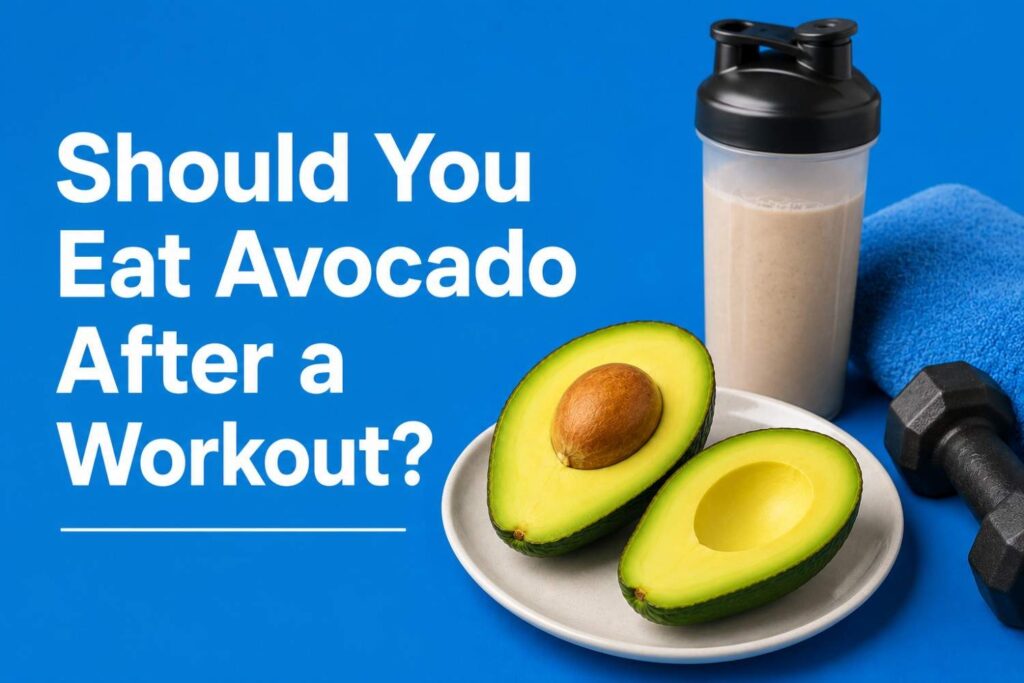
For most people focused on fat loss, the best time to eat avocado for weight loss is actually after a workout, not before. Here’s why this timing works so well:
After exercise, your muscles are primed to absorb nutrients efficiently. Pairing avocado with a protein source — like eggs, grilled chicken, or Greek yogurt — creates a balanced post-workout meal that supports muscle repair while keeping you full for hours. Since avocado is calorie-dense but nutrient-rich, eating it post-workout helps replace the calories burned during exercise without spiking blood sugar or triggering unnecessary snacking later in the day.
Additionally, the healthy fats in avocado support the absorption of fat-soluble vitamins (A, D, E, and K), many of which come from the vegetables typically eaten alongside a post-workout meal, like leafy greens or roasted vegetables. This makes your entire meal more nutritionally effective, not just the avocado itself.
Best Time to Eat Banana for Weight Loss: Morning, Before or After Workout? (2026 Guide)
Morning vs Evening: Does Time of Day Matter Too?
Beyond workout timing, many people also wonder whether eating avocado in the morning or evening changes its fat-loss benefits. The truth is, both can work — but each serves a slightly different purpose.
Morning avocado is excellent for controlling hunger throughout the day. Adding avocado to breakfast, such as on whole-grain toast or in a smoothie, helps stabilize blood sugar and reduces the likelihood of overeating at lunch. This is often considered one of the most practical windows for the best time to eat avocado for weight loss, especially for people who struggle with mid-morning cravings.
Evening avocado, on the other hand, works well for those who train in the late afternoon or evening. Since dinner is typically the last significant meal of the day, using avocado here can promote satiety through the night and reduce late-night snacking — a common obstacle in weight loss journeys.
Peanut Butter Benefits for Fitness: Weight Loss, Muscle Gain & Nutrition Guide (2026)
How Much Avocado Should You Eat Daily?
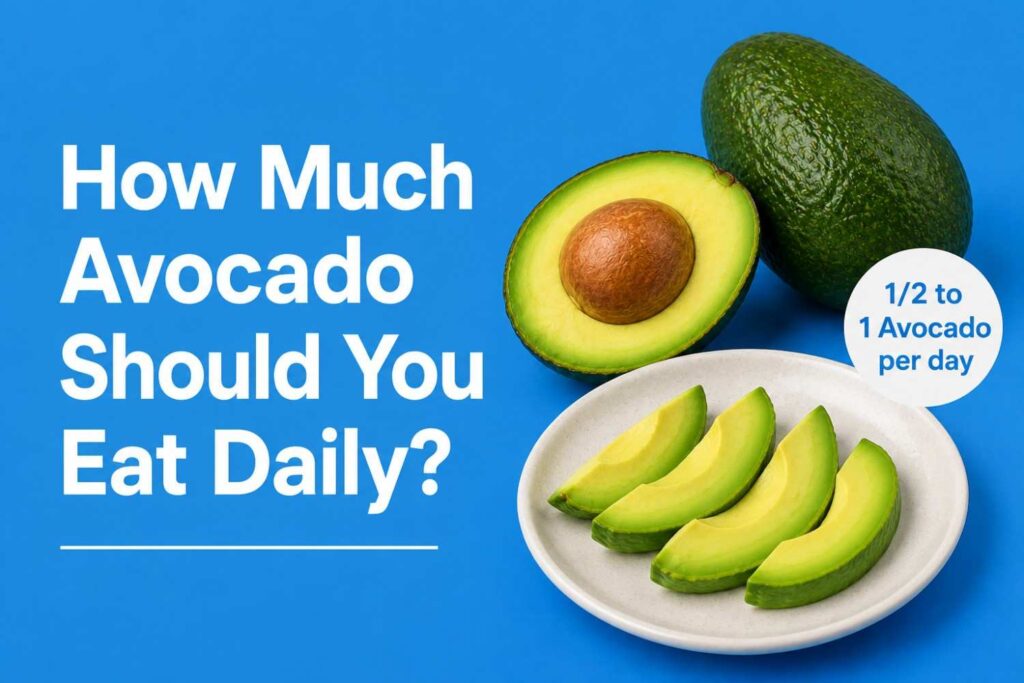
Portion control is just as important as timing. Avocados are healthy, but they’re also calorie-dense, with roughly 240–320 calories per whole fruit depending on size. For weight loss purposes, most nutritionists recommend:
- Half an avocado per day for most adults trying to lose weight.
- Up to one whole avocado on higher-activity or training days.
- Avoiding more than one avocado daily unless it replaces other fat sources in your diet.
Eating within these ranges, combined with proper timing, ensures avocado supports your calorie deficit instead of working against it.
How to Build Muscle with a Busy Schedule: 30-Minute Routine for Beginners (2026)
Best Ways to Eat Avocado for Weight Loss
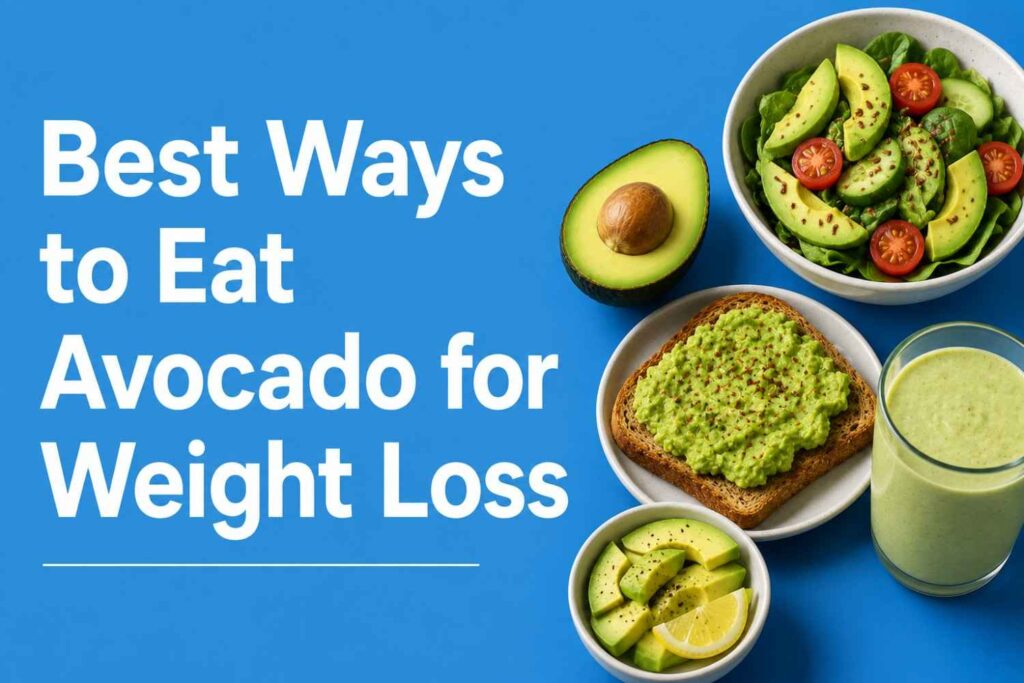
The way you prepare avocado can also influence how effective it is for fat loss. Some of the most weight-loss-friendly combinations include:
- Mashed avocado on whole-grain toast with a poached egg
- Sliced avocado in a high-protein salad with grilled chicken or tofu
- Avocado blended into a post-workout smoothie with protein powder and spinach
- Avocado as a healthy substitute for mayonnaise or butter in sandwiches
Avoiding fried preparations or pairing avocado with refined carbohydrates (like white bread or sugary sauces) helps preserve its natural fat-loss benefits.
Muscle Gain Diet Plan for Skinny Guys (2026) – Complete Beginner Guide
Common Mistakes People Make With Avocado Timing
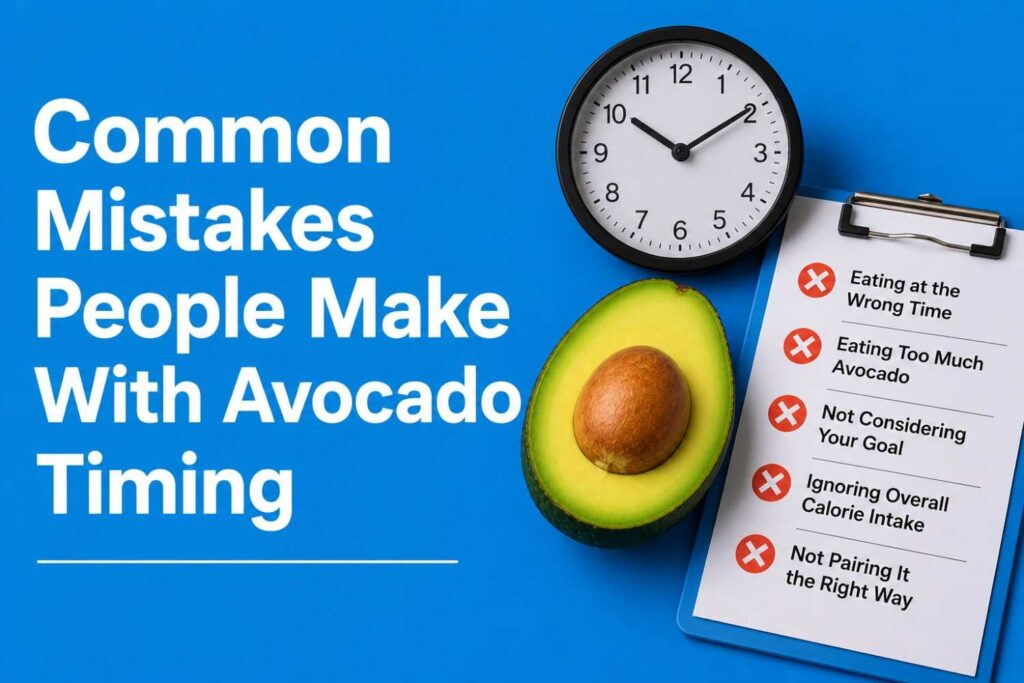
Even health-conscious people sometimes get avocado timing wrong. Here are a few mistakes to avoid:
- Eating a full avocado right before intense workouts, causing digestive discomfort
- Adding avocado on top of an already high-fat meal, leading to excess calorie intake
- Ignoring portion sizes because “it’s healthy,” which can stall weight loss progress
- Skipping protein pairing, which reduces the satiety benefits of avocado
Understanding the best time to eat avocado for weight loss isn’t just about when — it’s also about how you combine it with other foods.
Best Morning Routine for Muscle Gain (2026) – Build Muscle Faster Every Day
Final Verdict: Before or After Workout?
So, what’s the real answer? For most people focused on fat loss, eating avocado after a workout, paired with a lean protein, is the most effective strategy. It supports recovery, keeps hunger in check, and helps your body use the calories efficiently. If you prefer eating it before exercise, keep the portion small and give your body enough time to digest.
Ultimately, the best time to eat avocado for weight loss depends on your workout schedule, daily routine, and personal digestion — but post-workout and morning consumption tend to offer the most consistent benefits for fat loss and appetite control.
15 Fitness and Diet Tips for Fast Weight Loss at Home (Beginner’s Guide)”
Frequently Asked Questions (FAQs)
1. What is the best time to eat avocado for weight loss?
The best time to eat avocado for weight loss is generally after a workout or in the morning, paired with a protein source. This combination controls hunger, supports muscle recovery, and prevents overeating later in the day.
2. Can I eat avocado at night for weight loss?
Yes, eating avocado at night in moderate portions can help reduce late-night cravings and keep you full until morning. Just avoid pairing it with heavy, high-calorie meals.
3. Is it bad to eat avocado before a workout?
Eating a large portion of avocado right before a workout can cause bloating or sluggishness because fats digest slowly. If you eat it pre-workout, keep the portion small and allow 60–90 minutes before exercising.
4. How much avocado should I eat per day to lose weight?
Most nutritionists recommend around half an avocado daily for weight loss, with up to one whole avocado on high-activity days.
5. Does avocado help burn belly fat?
Avocado doesn’t burn fat directly, but its fiber and healthy fat content help control appetite and reduce overall calorie intake, which supports fat loss, including in the belly area, over time.
6. Is avocado good for breakfast if I’m trying to lose weight?
Yes. Eating avocado at breakfast helps stabilize blood sugar and keeps you full longer, reducing the chances of unhealthy snacking before lunch.
Conclusion
Avocado can be a powerful ally in your weight loss journey when eaten at the right time and in the right portions. Whether you choose to enjoy it after your workout, in the morning, or as part of a balanced dinner, understanding the best time to eat avocado for weight loss helps you make smarter, more sustainable choices. Pair it with protein, watch your portions, and let this nutrient-dense fruit work in your favor — not against your goals.



Pingback: Coconut Water vs Fruit Juice: Best for Fitness?