
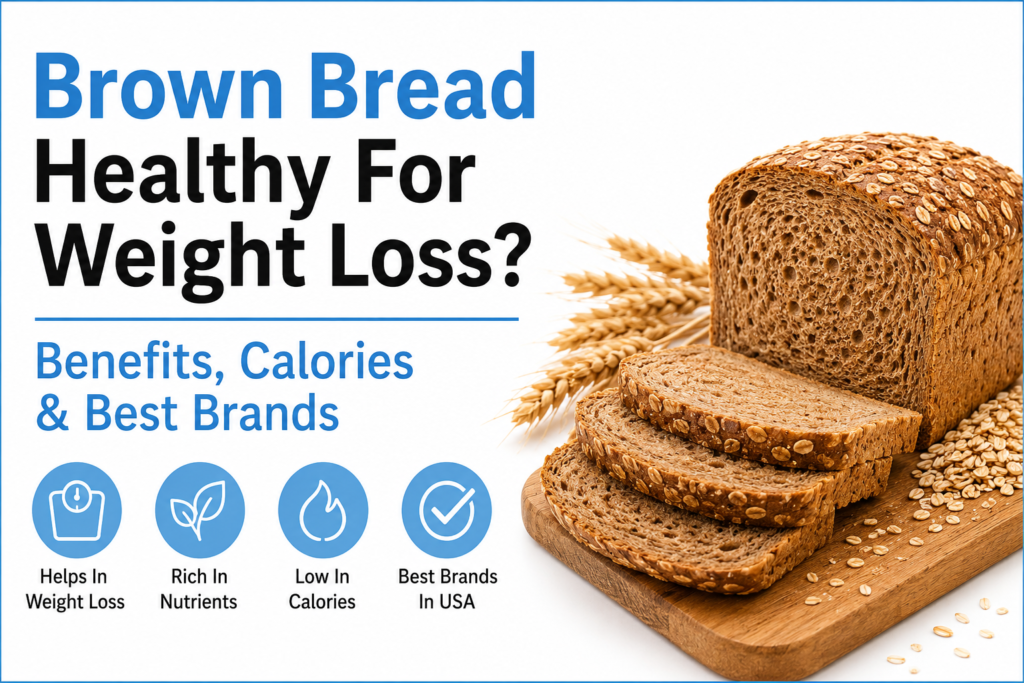

brown bread for weight loss
If you are trying to lose weight, chances are you have asked yourself one common question: Is brown bread actually healthy for weight loss, or is it just another marketing trick? Many people switch from white bread to brown bread, believing it is automatically healthier, but the truth is a little more detailed than that.
Some brown bread options are packed with fiber, whole grains, and nutrients that support healthy weight management. Others are highly processed and contain added sugar, caramel coloring, and refined flour that may not help your fitness goals at all.
In this complete guide from Daily Fitness Blog, you will learn everything about brown bread for weight loss, including calories, nutrition, health benefits, best brands in the USA, how to choose healthy bread, and the smartest ways to include it in your diet without slowing your progress.
What Is Brown Bread?
Brown bread is usually made from whole wheat flour or partially refined wheat flour. Unlike white bread, which is made using refined flour where most nutrients are removed, brown bread contains more of the wheat grain’s natural bran and germ. These parts of the grain are rich in fiber, vitamins, minerals, and antioxidants.
This is one of the main reasons why brown bread is generally considered healthier than white bread. It contains more nutrients and usually digests more slowly, which helps improve fullness after meals.
However, many people do not realize that not all brown bread is truly healthy. Some manufacturers add caramel coloring or molasses to refined bread so it looks brown even though it still lacks fiber and whole grains. That is why reading ingredient labels carefully is extremely important.
A good quality whole-grain brown bread usually contains fiber, complex carbohydrates, small amounts of protein, iron, magnesium, zinc, and B vitamins. These nutrients support energy production, digestion, and overall health.
Top Protein Foods For Muscle Gain in India The Complete Guide
Is Brown Bread Good For Weight Loss?
Yes, brown bread can support weight loss when it is eaten as part of a balanced and calorie-controlled diet. One of the biggest advantages of brown bread for weight loss is its fiber content.
Fiber plays an important role in appetite control because it slows digestion and helps you stay full for longer periods. When meals are more satisfying, people are naturally less likely to snack on unhealthy processed foods or overeat later in the day.
Brown bread also provides complex carbohydrates. Unlike refined carbs that digest quickly and cause sudden hunger, complex carbs release energy more slowly. This steady energy release helps maintain stable energy levels throughout the day.
Many people trying to lose weight make the mistake of avoiding all carbohydrates completely. In reality, your body still needs healthy carbohydrates for energy, workout performance, brain function, and daily activities. The goal is not to remove carbs entirely but to choose healthier sources and control portions properly.
Brown bread can easily fit into a healthy weight loss diet when paired with nutritious foods such as eggs, vegetables, lean chicken, peanut butter, or avocado.
Calories And Nutrition In Brown Bread
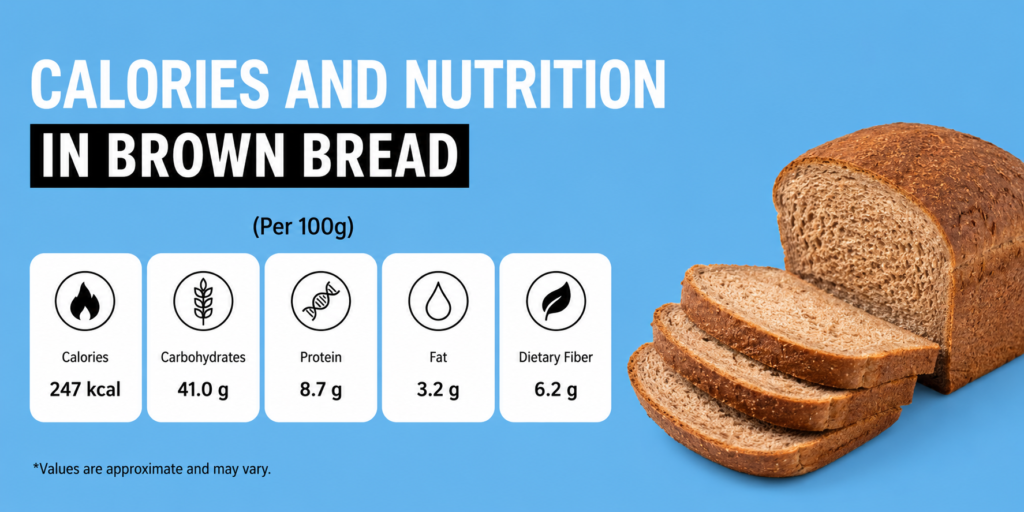
The calorie content of brown bread depends on the ingredients and brand, but one slice usually contains around 70 to 100 calories.
In addition to carbohydrates, brown bread also contains dietary fiber, protein, small amounts of fat, and important nutrients. Compared to white bread, it usually offers more nutrition and better satiety.
Fiber is one of the most valuable nutrients for people trying to lose weight because it helps improve fullness naturally. Foods that contain more fiber often help reduce unnecessary calorie intake throughout the day.
Whole-grain bread may also contain important nutrients such as iron, magnesium, selenium, zinc, and B vitamins that support overall wellness and metabolism.
Why Brown Bread Is Better Than White Bread
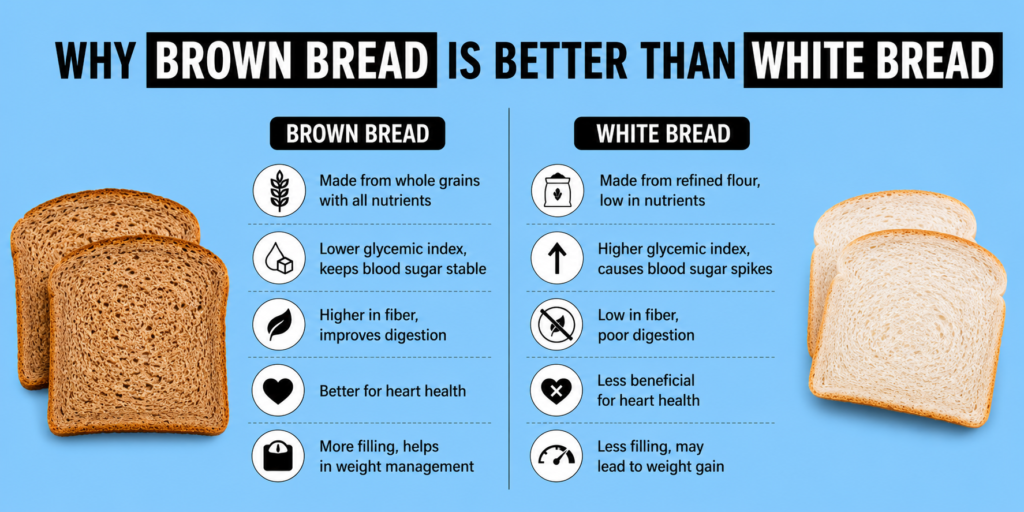
White bread is made using refined flour where the bran and germ are removed during processing. This process removes much of the fiber and nutrients found naturally in wheat.
As a result, white bread digests quickly and often causes rapid blood sugar spikes followed by sudden hunger and energy crashes. Many people notice they feel hungry again soon after eating white bread.
Brown bread usually contains more fiber and nutrients, making it more filling and nutritionally balanced. It provides more stable energy and can help reduce cravings throughout the day.
This does not mean white bread is “forbidden,” but brown bread is generally the healthier everyday choice for people focused on long-term fitness and healthy eating.
Benefits Of Brown Bread For Weight Loss
One of the biggest reasons people include brown bread in their diet is because it helps improve fullness. Fiber-rich foods digest slowly, helping reduce constant hunger and unnecessary snacking. This can make it easier to maintain a calorie deficit without feeling overly restricted.
Brown bread also supports healthier digestion. Whole grains contain dietary fiber that promotes smoother bowel movements and supports gut health. Many people who switch to higher-fiber foods notice improvements in digestion and reduced bloating.
Another benefit is better energy stability. Refined foods often lead to rapid increases and crashes in blood sugar levels, which can increase cravings and tiredness. Brown bread provides a steadier source of energy that may help maintain productivity and workout performance.
Brown bread can also be a practical option for busy lifestyles. It is easy to prepare, affordable, and works well in quick meals such as sandwiches, toast, or healthy breakfast combinations.
For active individuals, brown bread can support workout performance because carbohydrates help fuel exercise. Pairing brown bread with protein after workouts may also support muscle recovery.
Vegetarian Diet and Home Workout Plan
Does Brown Bread Cause Belly Fat?
One of the biggest myths in the fitness world is that bread directly causes belly fat. In reality, no single food automatically creates belly fat on its own.
Weight gain happens when you consistently consume more calories than your body burns over time. Even healthy foods can contribute to weight gain if portions become excessive.
Brown bread itself is not the problem. The issue usually comes from overall eating habits. Large sandwiches with fried fillings, heavy sauces, processed meats, sugary drinks, and oversized portions can quickly increase daily calorie intake.
Healthy portion control matters far more than completely avoiding bread.
How Much Brown Bread Should You Eat Daily?
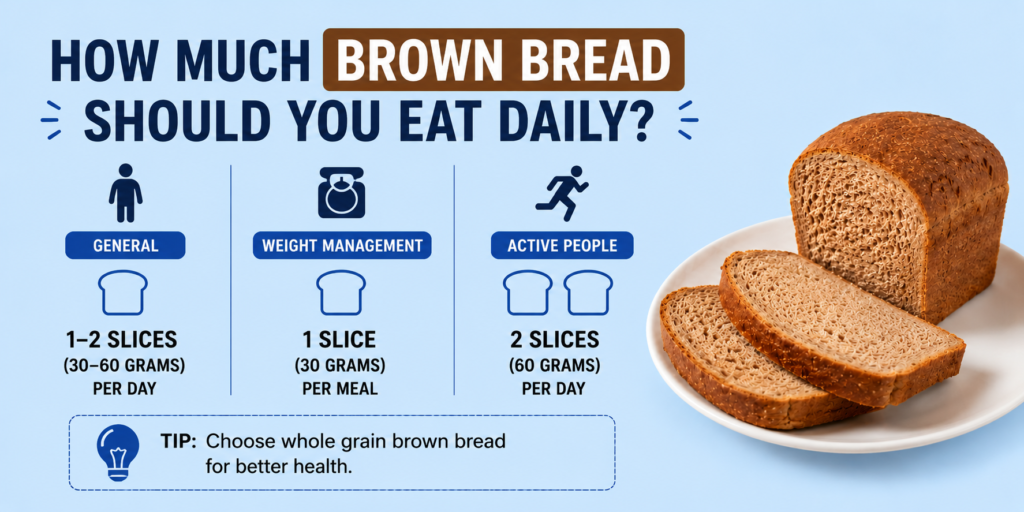
The right amount of brown bread depends on your activity level, calorie needs, body size, and overall diet.
For many people trying to lose weight, eating around two to four slices of whole-grain brown bread per day can fit comfortably into a healthy meal plan.
The most important thing is balance. Bread should be combined with protein, vegetables, healthy fats, fruits, and regular physical activity.
Eating brown bread alone may leave you hungry quickly, but pairing it with protein-rich foods creates more satisfying meals that help control cravings.
Best Time To Eat Brown Bread For Weight Loss
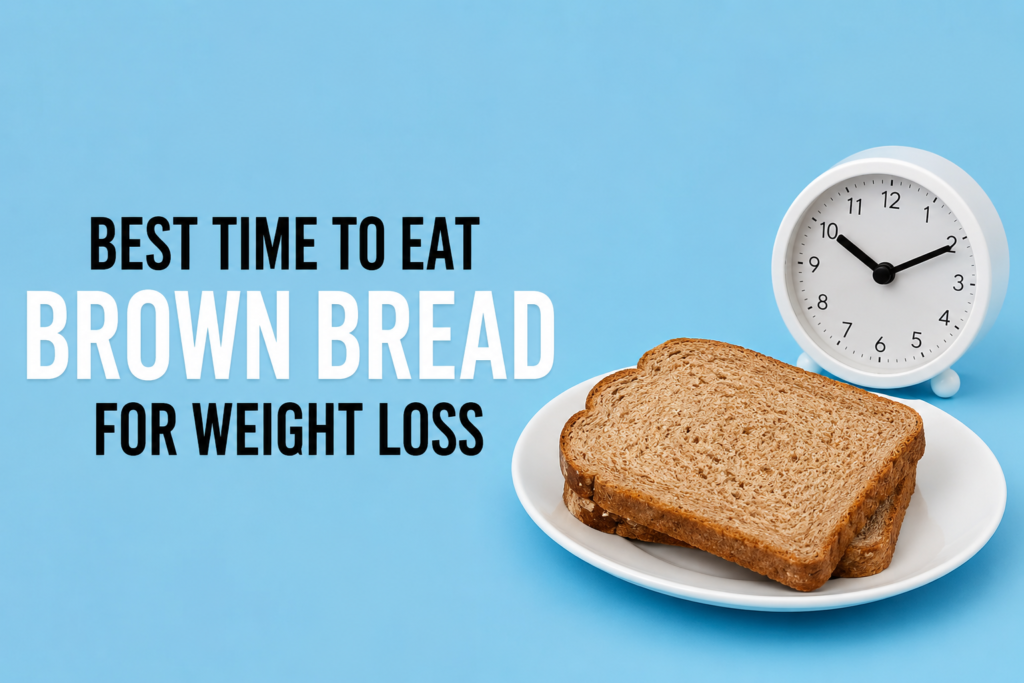
Brown bread can work well at different times of the day depending on your routine.
Breakfast is one of the most common and effective times to eat brown bread because it provides steady energy and helps reduce mid-morning hunger. Many healthy breakfasts include brown bread with eggs, avocado, peanut butter, or cottage cheese.
Brown bread can also be useful before workouts because carbohydrates provide energy that supports exercise performance. After workouts, pairing brown bread with protein may help restore energy and support muscle recovery.
The exact timing is less important than overall calorie balance and meal quality throughout the day.
How To Choose Healthy Brown Bread
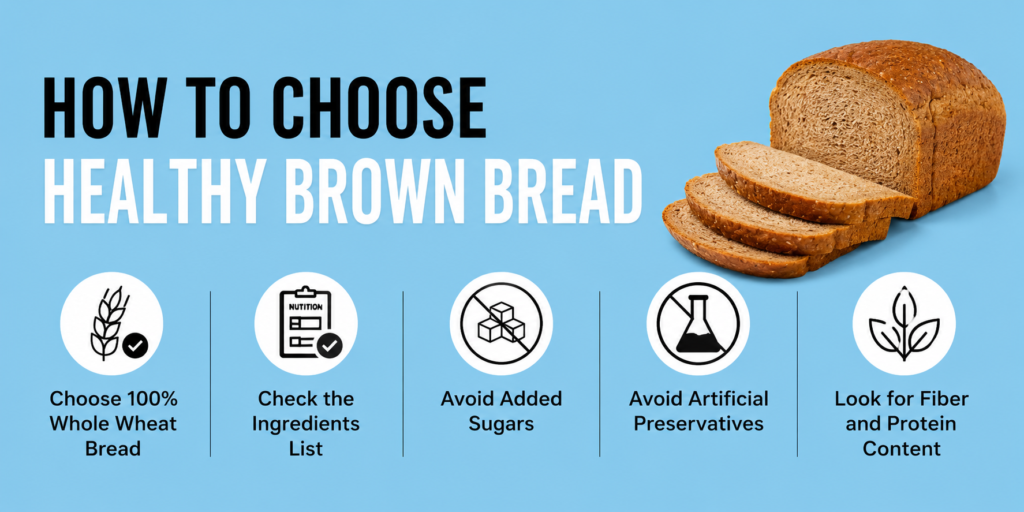
Choosing healthy brown bread may sound simple, but it can actually be confusing. Many bread products in supermarkets are marketed as “healthy,” “multigrain,” or “brown,” even though they may still contain refined flour, added sugar, and unnecessary preservatives. If you are trying to lose weight or improve your eating habits, learning how to identify truly healthy brown bread is extremely important.
Many people assume that darker bread automatically means healthier bread, but that is not always true. Some companies use caramel coloring or molasses to make bread look brown while the ingredients are still heavily processed. This is why reading labels carefully matters more than simply trusting the packaging.
The first thing you should check is the ingredient list. A healthy brown bread should ideally have “100% whole wheat flour” or “whole grain flour” listed as the first ingredient. Ingredients are listed in order by quantity, so if refined flour or enriched wheat flour appears first, the bread is not truly whole grain.
Whole wheat bread contains more fiber because it includes all parts of the wheat grain. Fiber is important for weight loss because it slows digestion, improves fullness, and helps control hunger naturally. Foods higher in fiber can make it easier to avoid overeating and unhealthy snacking during the day.
Another important thing to look at is the fiber content on the nutrition label. Healthy brown bread should contain a decent amount of dietary fiber per serving. Bread with higher fiber usually keeps you full longer and supports better digestion. Low-fiber bread, even if it appears brown, may not provide the same health benefits.
Fitness Tips at Home (India) – Complete Guide for Daily Fitness
Best Brown Bread Brands In The USA
Several bread brands in the USA offer healthier whole-grain options suitable for weight loss and balanced eating.
Dave’s Killer Bread is one of the most popular healthy bread brands because many varieties contain whole grains, seeds, fiber, and decent protein content. It is widely used by fitness-focused individuals and people trying to improve their diet quality.
Ezekiel Bread is another excellent option made from sprouted grains and legumes. It is minimally processed and contains higher protein and nutrient levels compared to many traditional breads.
Nature’s Own Whole Wheat Bread is affordable and commonly available in American supermarkets. Some varieties provide reasonable fiber content and lower sugar levels.
Pepperidge Farm Whole Grain Bread and Arnold Whole Grains Bread are also popular choices that offer healthier whole-wheat options for sandwiches and breakfast meals.
The healthiest option always depends on ingredient quality, fiber content, and portion control.
Healthy Ways To Eat Brown Bread
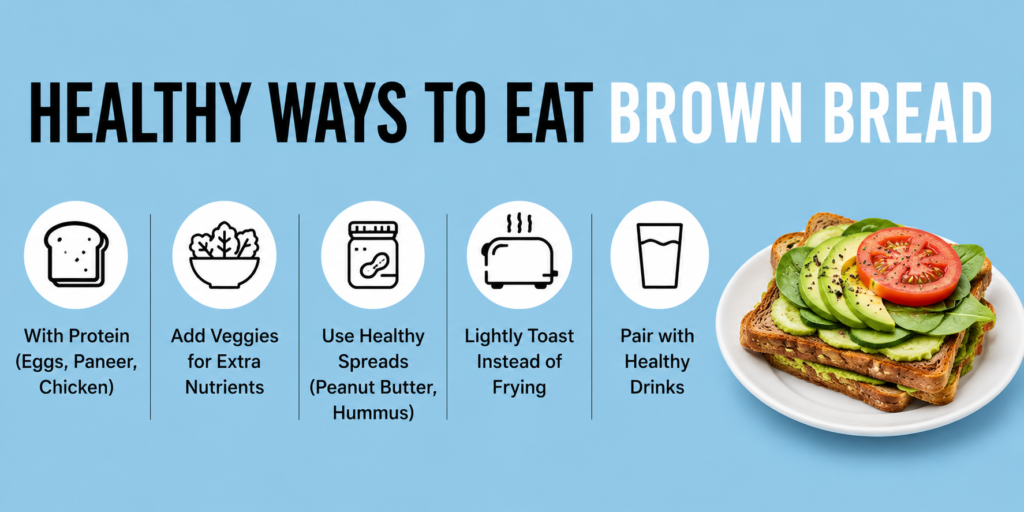
Brown bread becomes much healthier when paired with nutritious foods. Simple meal combinations can make a big difference in overall nutrition quality.
Brown bread with eggs and vegetables creates a balanced high-protein breakfast. Peanut butter toast with banana provides healthy fats, carbohydrates, and energy for active lifestyles.
Grilled chicken sandwiches made with whole-grain bread can be a satisfying lunch option for people focused on fat loss or muscle maintenance.
Avocado toast with seeds and vegetables is another popular healthy option because it provides fiber, healthy fats, and important nutrients.
The toppings matter just as much as the bread itself. Excess butter, sugary spreads, processed meats, and fried fillings can quickly turn a healthy meal into a high-calorie one.
Common Myths About Brown Bread
Many people believe all brown bread is automatically healthy, but this is not true. Some products are simply colored versions of white bread with very little fiber or nutritional value.
Another common myth is that bread must be completely removed for weight loss. Sustainable fat loss depends on calorie balance, meal quality, and long-term habits rather than eliminating one specific food entirely.
Some people also believe carbohydrates always lead to fat gain. Healthy carbohydrates are important for energy, workout performance, recovery, and overall body function. Problems usually come from overeating highly processed foods and consuming excess calories consistently.
Can Brown Bread Help Reduce Cravings?
Yes, brown bread may help reduce cravings because fiber slows digestion and improves satiety. When meals are more satisfying, people are less likely to snack on unhealthy processed foods between meals.
Stable energy levels can also help reduce sudden sugar cravings and overeating. This is one reason why many nutrition experts recommend whole-grain foods during weight loss programs.
Is Brown Bread Healthy To Eat Daily?
For most healthy individuals, brown bread can absolutely be part of a daily diet. Whole-grain bread provides nutrients, energy, and fiber that support overall health.
The key is moderation and food quality. Eating balanced meals with vegetables, protein, healthy fats, and proper hydration is far more important than obsessing over one food.
Brown bread should support your diet, not become the only thing you eat.
Final Verdict
So, is brown bread healthy for weight loss?
Yes, healthy whole-grain brown bread can absolutely support weight loss when included in a balanced diet. Compared to white bread, it usually contains more fiber, nutrients, and better satiety, making it a smarter option for long-term healthy eating.
Brown bread helps improve fullness, provides steady energy, supports digestion, and can reduce unnecessary cravings when eaten in moderation.
However, not every brown bread product is truly healthy. Reading labels carefully and choosing whole-grain options with good fiber content is essential.
When combined with regular exercise, protein-rich foods, healthy lifestyle habits, and calorie control, brown bread for weight loss can become a practical and satisfying part of your daily fitness journey.



Pingback: Home Workout for Women: Complete Indian Fitness Guide (2026)
Pingback: Best Daily Fitness Tips for Beginners at Home 2026-guide
Pingback: Best Home Workout for Weight Loss at Home Without Equipment 2026
Pingback: Title: Fitness Tips at Home (India) – Complete Guide for Daily Fitness