
Vegetarian Diet and Home Workout Plan (Complete Fitness Guide)
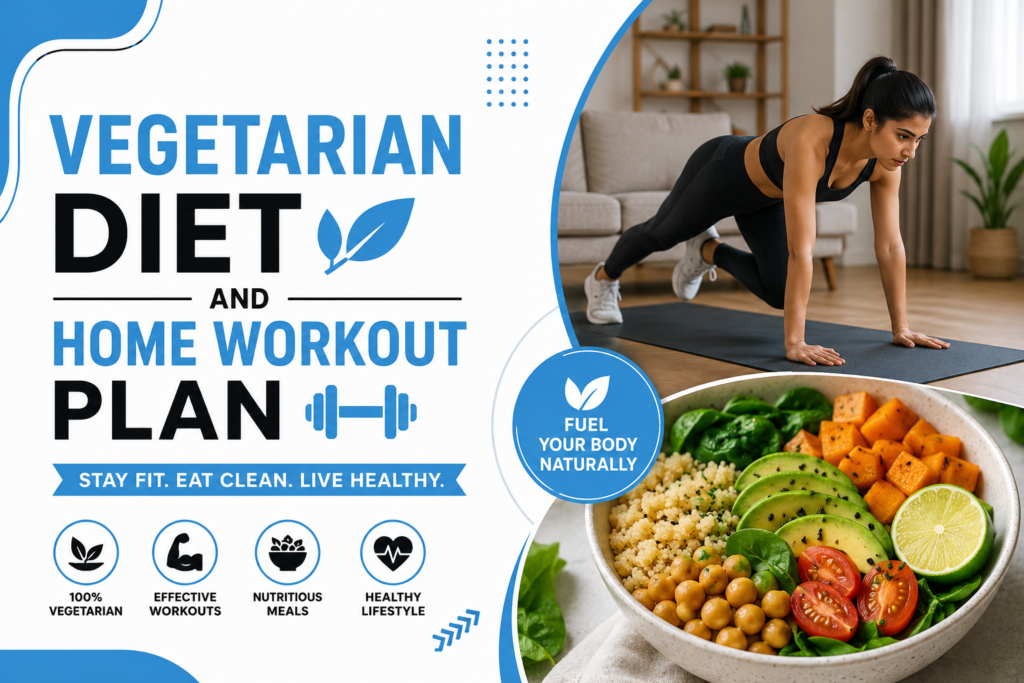
Living a healthy and fit lifestyle does not always require expensive gym memberships, complicated diet plans, or heavy supplements. With the right combination of nutritious vegetarian foods, regular home workouts, proper hydration, quality sleep, and consistency, anyone can improve their health, strength, stamina, and overall fitness naturally. A balanced vegetarian diet combined with effective home exercises can support fat loss, muscle gain, better digestion, improved immunity, and long-term body transformation without depending on extreme methods.
In today’s busy lifestyle, many people struggle with weight gain, low energy, poor eating habits, stress, and lack of physical activity. Long working hours, unhealthy fast foods, poor sleep routines, and excessive screen time can negatively affect both physical and mental health. This is why following a simple and sustainable fitness routine becomes extremely important for maintaining a healthy body and active mind.
Introduction: Why This Plan is Perfect for Lifestyle

In today’s fast-paced world, maintaining a healthy and balanced lifestyle has become more challenging than ever. Busy schedules, long working hours, and limited time for self-care often lead people to neglect their fitness and nutrition. That’s exactly where this plan comes in.
This lifestyle plan is designed to fit naturally into your daily routine without making things complicated or overwhelming. Whether you are a student, a working professional, or someone simply trying to improve your health, this approach focuses on simple, practical, and sustainable habits that you can follow consistently.
- Non-Vegetarian Food
- Non-vegetarian food is often considered a rich source of high-quality protein, which plays an important role in muscle building and overall body strength. However, many people assume that consuming non-veg is compulsory for fitness, which is not true. While chicken, eggs, fish, and meat do provide essential nutrients like protein, iron, and vitamin B12, a balanced vegetarian diet can also fulfill all nutritional needs if planned properly.
- Expensive Gym Membership
- A common misconception is that getting fit requires a costly gym membership. In reality, fitness is not dependent on a gym environment but on consistency and discipline. Many people achieve great results through home workouts, bodyweight exercises, yoga, and walking routines without spending a single rupee on gym fees.
- Supplements and Protein Powders
- Supplements and protein powders are often marketed as essential for fitness, but they are actually just additional support—not a requirement. Real progress comes from natural food sources like lentils, milk, eggs, nuts, seeds, paneer, and grains.
- Extreme Dieting or Starvation
- Extreme dieting or starving yourself is one of the most harmful approaches to fitness and weight loss. Many people believe that eating less or skipping meals will lead to faster results, but in reality, it slows down metabolism, reduces energy levels, and can negatively affect overall health. Instead of starvation, the body needs balanced nutrition with proper portions of carbohydrates, proteins, fats, vitamins, and minerals.
Fat Loss
Fat loss is not just about reducing body weight; it is about improving overall body composition and becoming healthier from the inside. A proper fitness and nutrition plan helps the body burn excess fat naturally while preserving energy and muscle strength. Unlike crash diets that provide temporary results, sustainable fat loss focuses on healthy eating habits, regular physical activity, proper hydration, and consistent sleep.
Muscle Gain
Muscle gain is an important part of building a strong and healthy body. It is not only for athletes or bodybuilders but also for anyone who wants better physical strength, improved posture, and higher energy levels. Building muscle requires a combination of strength training, balanced nutrition, and proper recovery.
Better Stamina
Better stamina means your body can perform physical activities for longer periods without getting tired quickly. Good stamina is essential not only for workouts but also for everyday tasks such as walking, climbing stairs, working, or playing sports. Regular exercise, proper breathing techniques, and balanced nutrition gradually improve heart health and increase the body’s energy efficiency.
Improved Digestion
A healthy digestive system plays a major role in overall health and fitness. Improved digestion helps the body absorb nutrients more effectively, supports metabolism, and keeps energy levels stable throughout the day.
Strong Immunity
Strong immunity is essential for protecting the body from infections, illnesses, and seasonal diseases. A healthy lifestyle that includes nutritious food, regular exercise, proper sleep, and stress management helps strengthen the immune system naturally.
Long-Term Health Transformation
Long-term health transformation is about creating a lifestyle that supports lasting physical and mental well-being. Instead of focusing only on short-term goals, this approach encourages sustainable habits that improve health over time.
This Complete Health and Fitness Guide is Designed Specifically for Indian Users Who Want to Build a Healthier, Stronger, and More Active Lifestyle Naturally
- Simple Food Options – This guide focuses on easy, healthy, and practical Indian food choices that are simple to prepare and fit naturally into your daily lifestyle. You do not need fancy diets or expensive ingredients to stay healthy and active.
- Home-Based Workouts – The workout routines included in this guide are designed for people who prefer exercising at home. These exercises require little to no equipment and still help improve strength, stamina, flexibility, and overall fitness.
- Budget-Friendly Lifestyle – Staying fit does not always require expensive gyms, supplements, or special diet plans. This guide promotes affordable and realistic fitness habits that are suitable for students, working professionals, and families.
- Sustainable Fitness Results – Instead of focusing on quick or temporary changes, this guide encourages healthy routines that provide long-term fitness benefits, better energy levels, and lasting physical and mental transformation.
“Best Daily Fitness Tips for Beginners at Home (2026 Guide)”
1. Understanding Vegetarian Fitness Nutrition (Deep Science Made Simple)
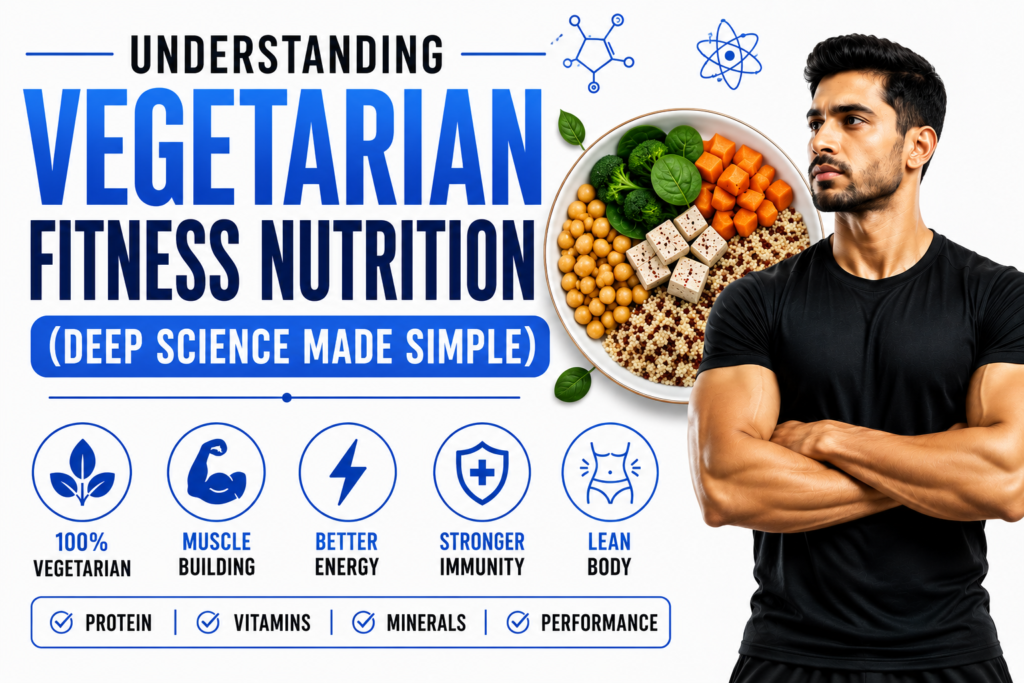
Vegetarian fitness nutrition is all about giving your body the right balance of protein, carbohydrates, healthy fats, vitamins, and minerals through plant-based foods. Many people believe muscle gain and fitness are only possible with non-vegetarian diets, but scientific research shows that a well-planned vegetarian diet can fully support strength, stamina, fat loss, and recovery. Foods like paneer, milk, lentils, soy, nuts, seeds, oats, and green vegetables provide essential nutrients needed for energy and muscle repair.
Protein (Body Building Nutrient)
Protein is one of the most important nutrients for building and repairing muscles, improving strength, and supporting overall body growth. It plays a major role in muscle recovery after workouts and helps the body stay strong, active, and energized throughout the day. Protein also supports healthy skin, bones, hair, and immunity. For people focused on fitness, fat loss, or muscle gain, consuming enough protein is essential because it helps maintain muscle mass and keeps you feeling full for longer periods. Good protein sources include paneer, milk, curd, lentils, soy products, nuts, seeds, eggs, chicken, and fish depending on your diet
Carbohydrates (Energy Source)
Carbohydrates are the body’s main source of energy and play a very important role in maintaining an active and healthy lifestyle. Whenever you walk, exercise, work, study, or perform any physical activity, your body primarily uses carbohydrates to produce energy. They help fuel the muscles, support brain function, and keep the body active throughout the day. Without enough carbohydrates, the body may feel weak, tired, low on energy, and unable to perform daily tasks effectively.
Many people misunderstand carbohydrates and think they should completely avoid them for weight loss. In reality, carbohydrates are not unhealthy when consumed in the right quantity and from healthy sources. The real problem usually comes from excessive intake of processed foods, sugary snacks, and junk food rather than natural carbohydrate-rich foods. Healthy carbohydrates provide long-lasting energy, improve workout performance, and help the body recover properly after physical activity.
Why Vegetarian Diet Works for Fitness
A vegetarian diet can be highly effective for fitness, muscle gain, fat loss, and overall health when planned properly. Many people believe that only non-vegetarian foods can help build muscles or improve strength, but modern nutrition science shows that plant-based foods can also provide all the important nutrients needed for an active and healthy body.
Tips to Make a Vegetarian Fitness Diet More Effective
- Include protein-rich foods like paneer, lentils, soy chunks, tofu, curd, and nuts in daily meals.
- Eat a balanced combination of carbohydrates, proteins, healthy fats, and fiber for better energy and recovery.
- Consume enough calories to support workouts, muscle growth, and overall body performance.
- Add fruits and vegetables regularly to improve immunity, digestion, and nutrient intake.
2. Best Vegetarian Protein Sources in India
Protein is one of the most important nutrients for muscle growth, strength, recovery, and overall fitness. Many people think it is difficult to get enough protein from a vegetarian diet, but India has a wide variety of affordable and nutritious vegetarian foods that can easily support fitness goals when included properly in daily meals.
Dairy-Based Protein
Dairy-based protein is one of the best and most effective protein sources for vegetarians. It provides high-quality protein along with important nutrients like calcium, vitamin B12, potassium, and healthy fats that support muscle growth, bone strength, recovery, and overall body health. Dairy foods are easily available in most Indian households and can be included in daily meals without much difficulty.
Protein from dairy products helps repair muscles after workouts, improves body strength, and keeps the body active throughout the day. Dairy foods are also filling, which helps control hunger and supports healthy weight management. For people focused on fitness, fat loss, or muscle gain, dairy products can be a simple and affordable way to increase daily protein intake naturally.
Tips for Using Dairy Protein Effectively
- Include milk, curd, or paneer regularly in daily meals for better protein intake.
- Consume dairy after workouts to support muscle recovery and growth.
- Choose low-fat or balanced dairy options if your goal is fat loss.
- Combine dairy foods with fruits, oats, or nuts for balanced nutrition.
- Avoid excessive sugary flavored dairy products and focus on natural options.
- Stay hydrated to improve digestion and nutrient absorption.
Fitness Tips at Home (India) – Complete Guide for Daily Fitness
Pulses & Legumes
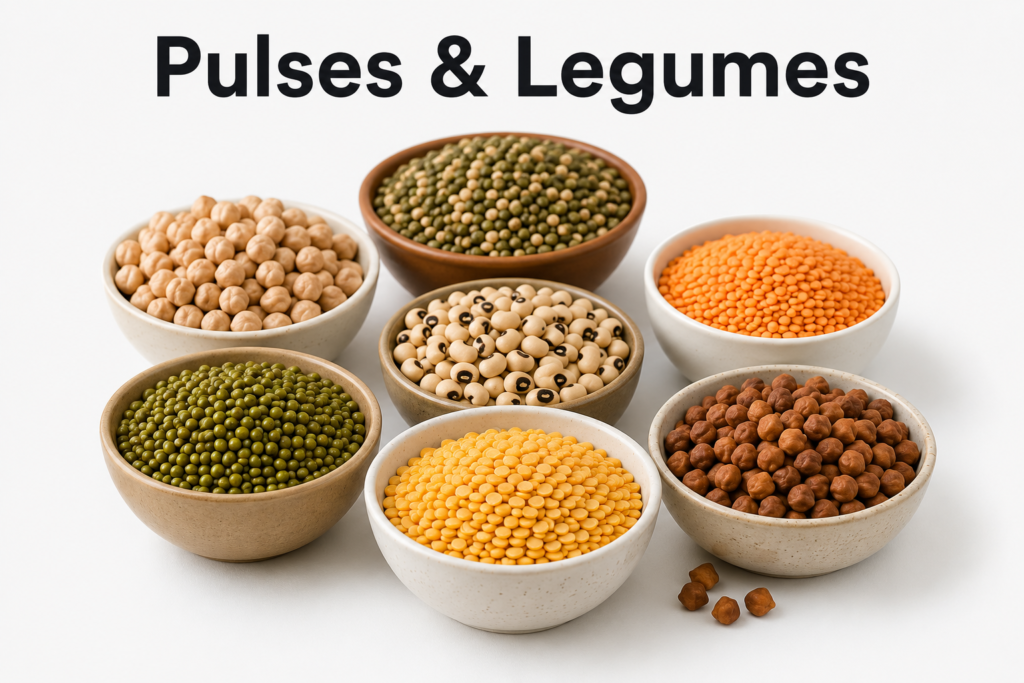
Pulses and legumes are among the most important and affordable sources of protein in a vegetarian Indian diet. They are packed with protein, fiber, complex carbohydrates, vitamins, and minerals that help support muscle growth, energy production, digestion, and overall health. Foods like lentils (dal), chickpeas (chana), kidney beans (rajma), black beans, green gram (moong), and peas are commonly used in Indian households and provide excellent nutrition for people focused on fitness and healthy living.
Best Pulses & Legumes for Protein
- Moong Dal – Easy to digest and rich in protein and nutrients.
- Masoor Dal – Good source of plant protein and iron.
- Chana (Chickpeas) – Supports muscle growth and provides long-lasting energy.
- Rajma (Kidney Beans) – Rich in protein, fiber, and complex carbohydrates.
- Black Chana – Excellent for stamina and overall strength.
- Peas – Contain protein along with vitamins and minerals.
- Sprouts – Highly nutritious and helpful for digestion and energy.
Grains & Staples
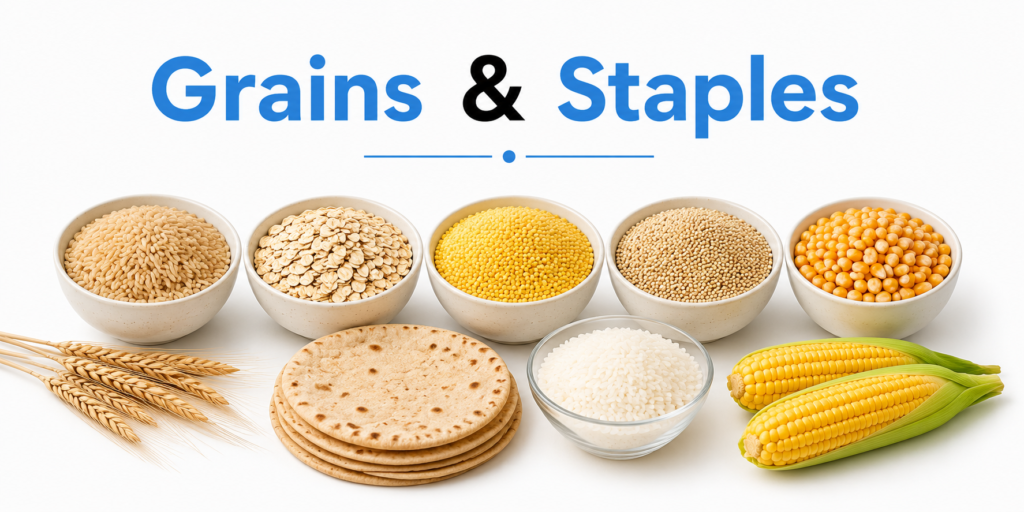
Grains and staple foods are the foundation of daily nutrition in most Indian households. They are one of the body’s primary sources of energy and play an important role in supporting physical activity, workout performance, stamina, and overall health. Foods like rice, wheat, oats, millets, poha, quinoa, and whole grains provide carbohydrates, fiber, vitamins, minerals, and small amounts of protein that help keep the body active and energized throughout the day.
Best Grains & Staples for Fitness and Health
- Oats – Rich in fiber and slow-digesting carbohydrates that provide long-lasting energy.
- Brown Rice – Contains more fiber and nutrients compared to refined white rice.
- Whole Wheat Roti – Common Indian staple that provides energy and fiber.
- Millets (Bajra, Jowar, Ragi) – Highly nutritious and rich in minerals and fiber.
- Poha – Light, easy to digest, and suitable for breakfast or pre-workout meals.
- Dalia (Broken Wheat) – Good source of complex carbohydrates and digestion-supporting fiber.
- Quinoa – Contains protein, fiber, and essential nutrients beneficial for fitness.
Nuts & Seeds
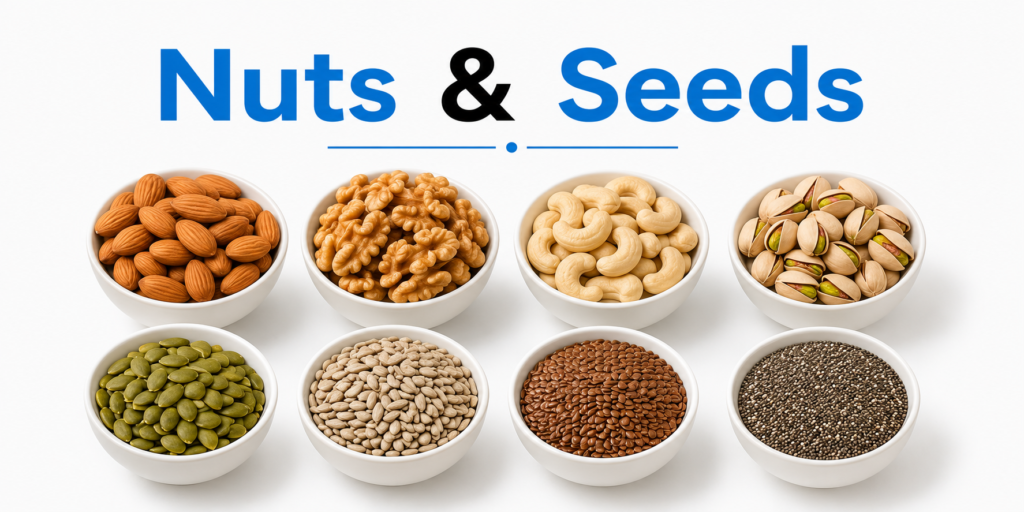
Nuts and seeds are among the healthiest and most nutrient-dense foods that can be included in a balanced fitness diet. They are rich in protein, healthy fats, fiber, vitamins, minerals, and antioxidants that support muscle growth, energy production, brain health, digestion, immunity, and overall body function. Even though they are small in size, nuts and seeds provide powerful nutrition that helps improve overall health naturally.
Best Nuts & Seeds for Fitness and Health
- Almonds – Rich in protein, healthy fats, and vitamin E that support energy and recovery.
- Peanuts – Affordable protein source helpful for muscle growth and fullness.
- Walnuts – Support brain health and provide healthy omega-3 fats.
- Chia Seeds – High in fiber, protein, and hydration-supporting nutrients.
- Flaxseeds – Good source of healthy fats and digestion-supporting fiber.
- Pumpkin Seeds – Rich in protein, magnesium, and minerals beneficial for recovery.
- Sunflower Seeds – Provide healthy fats, vitamins, and antioxidants.
- Sesame Seeds – Contain calcium, iron, and healthy nutrients for overall wellness.
Muscle Gain Workout at Home Without Gym: Complete Beginner Guide 2026
3. Complete Vegetarian Diet Plan (Indian Real-Life Structure)
Morning Routine (Fat Activation Phase)
A healthy breakfast is another important part of the morning routine. Eating a balanced meal containing protein, healthy carbohydrates, and fiber provides long-lasting energy and prevents excessive hunger later in the day. Skipping breakfast regularly may lead to low energy levels and unhealthy eating habits.
Morning routines are not only beneficial for physical health but also for mental well-being. Spending a few minutes in sunlight, practicing deep breathing, meditation, or maintaining a positive mindset can reduce stress and improve focus for the rest of the day.
Important Morning Routine Tips
- Wake up at a consistent time every day to maintain a healthy body rhythm.
- Drink enough water after waking up to hydrate the body and support metabolism.
- Include light exercise, stretching, yoga, or walking in the morning.
- Spend some time in natural sunlight for better energy and vitamin D support.
- Eat a balanced breakfast with protein and healthy carbohydrates.
- Avoid immediately consuming junk food or sugary drinks in the morning.
- Practice deep breathing or meditation to reduce stress and improve mental focus.
- Stay consistent with your morning habits for better long-term fitness results.
Breakfast (Energy Foundation Meal)
Breakfast is considered one of the most important meals of the day because it provides the body with the energy and nutrients needed after long hours of overnight fasting. A healthy breakfast helps activate metabolism, improve concentration, support muscle recovery, and maintain steady energy levels throughout the morning. It acts as the “energy foundation meal” that prepares both the body and mind for daily activities, workouts, studies, or work performance.
Important Breakfast Tips for Better Health and Fitness
- Always try to eat breakfast within a reasonable time after waking up.
- Include protein-rich foods like milk, curd, paneer, eggs, sprouts, or nuts.
- Add healthy carbohydrates such as oats, poha, fruits, whole grains, or dalia for energy.
- Include fiber-rich foods to improve digestion and maintain fullness.
- Avoid excessive sugary cereals, fried snacks, or processed foods in the morning.
- Stay hydrated by drinking enough water along with breakfast.
- Choose balanced meals that provide both nutrition and long-lasting energy.
- Maintain consistency with healthy breakfast habits for better fitness results.
Mid-Morning Snack
A mid-morning snack is a small but important meal that helps maintain energy levels between breakfast and lunch. It prevents excessive hunger, supports metabolism, and helps the body stay active and focused throughout the day. Many people feel tired, low on energy, or experience cravings a few hours after breakfast, especially if they have a busy schedule or perform physical activities. A healthy mid-morning snack can help provide steady nutrition and prevent overeating during lunch.
The purpose of a mid-morning snack is not to consume junk food or unnecessary calories, but to give the
Best Mid-Morning Snack Options
- Fresh fruits like bananas, apples, oranges, or papaya
- Handful of almonds, peanuts, or mixed nuts
- Roasted chana or sprouts salad
- Curd or buttermilk
- Protein smoothies or milk-based drinks
- Coconut water for hydration and refreshment
- Seeds like chia, flaxseeds, or pumpkin seeds
- Oats or homemade healthy snack bowls
Lunch (Main Nutritional Meal)
Lunch is also important for maintaining metabolism and preventing energy crashes during the afternoon. A proper meal can improve mental focus, mood, stamina, and overall body performance, making daily tasks easier and more productive.
Important Lunch Tips for Better Health and Fitness
- Include a good source of protein such as dal, paneer, curd, soy, eggs, chicken, or legumes.
- Add healthy carbohydrates like rice, roti, brown rice, or millets for sustained energy.
- Include vegetables and salads for fiber, vitamins, and digestion support.
- Avoid excessive fried, oily, or junk foods during lunch.
- Drink enough water but avoid excessive sugary beverages.
- Eat slowly and mindfully for better digestion and fullness.
- Maintain proper portion control instead of overeating.
- Try to eat lunch at a consistent time daily for better metabolism.
- Include homemade meals more often for healthier nutrition.
Evening Snack (Craving Control)
Evening time is one of the most common periods when people experience strong cravings for unhealthy foods such as fried snacks, sweets, soft drinks, and processed junk food. After a long day of work, studies, or physical activity, energy levels may start dropping, which often increases hunger and unhealthy eating habits. This is why an evening snack plays an important role in controlling cravings, maintaining energy, and supporting overall fitness goals.
Best Healthy Evening Snack Options
- Roasted chana or peanuts
- Fresh fruits and fruit bowls
- Sprouts salad
- Nuts and seeds mix
- Curd or yogurt with fruits
- Green tea or herbal tea
- Smoothies made with milk, fruits, or oats
- Boiled corn or sweet potato
- Homemade vegetable sandwiches or toast
Dinner (Fat Loss Meal)
Dinner is the final major meal of the day and plays an important role in recovery, digestion, sleep quality, and overall fitness progress. A properly planned dinner can support fat loss, improve metabolism, and help the body recover overnight without making you feel heavy or uncomfortable.
Best Dinner Foods for Fat Loss and Health
- Dal with roti or brown rice
- Paneer or tofu with vegetables
- Soup and salad combinations
- Khichdi with curd
Important Dinner Tips for Better Fitness Results
- Keep dinner lighter than lunch for easier digestion.
- Include protein-rich foods to support muscle recovery overnight.
- Add vegetables and fiber for fullness and digestion support.
- Avoid excessive fried, oily, or sugary foods at night.
- Try to eat dinner at least 2–3 hours before sleeping.
4. Home Workout Plan (No Gym Required)
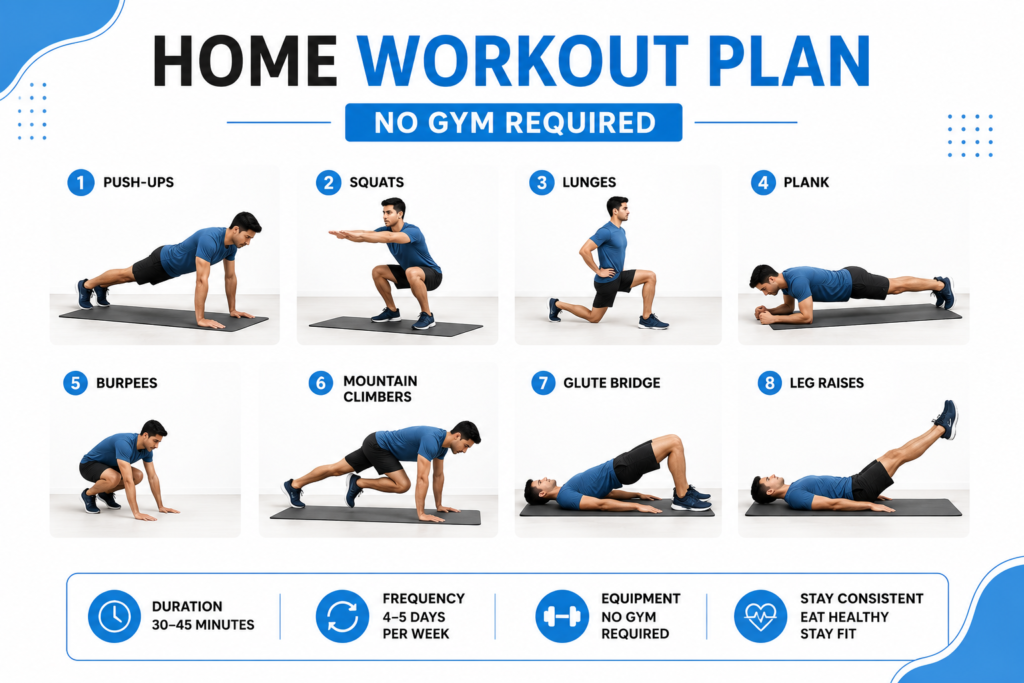
A home workout plan is one of the most practical and effective ways to improve fitness without depending on expensive gym memberships or complicated equipment. Many people believe they need a gym to build muscles, lose fat, or become fit, but the truth is that consistent exercise using bodyweight movements and simple routines can provide excellent results when followed properly.
Day 1: Full Body Workout
Full body workouts are one of the most effective ways to improve overall fitness, especially for beginners and people training at home. Since these workouts target multiple muscle groups in a single session, following the right approach is very important for getting better results safely and consistently. Proper workout habits not only improve strength and fat loss but also help prevent injuries, improve stamina, and support long-term fitness transformation.
- Jumping jacks – 1 min
- Push-ups – 12 reps
- Squats – 20 reps
- Plank – 45 sec
- Repeat 3 rounds
Day 2: Cardio Training
Cardio training is one of the most important parts of a complete fitness routine because it helps improve heart health, stamina, fat burning, endurance, and overall body fitness. On Day 2, the main focus is increasing body movement, improving blood circulation, and helping the body burn calories more efficiently through continuous physical activity.
Cardio exercises increase the heart rate and help strengthen the cardiovascular system, which improves the body’s ability to transport oxygen and nutrients to muscles and organs. Regular cardio training not only supports fat loss but also improves energy levels, mental focus, mood, and overall physical performance.
- High knees – 1 min
- Burpees – 10 reps
- Mountain climbers – 20 reps
- Skipping – 5 min
- Long Explanation:
Day 3: Core Strength
Core strength training is one of the most important parts of a complete fitness routine because the core muscles support almost every movement performed by the body. The core includes the abdominal muscles, lower back, hips, and surrounding muscles that help maintain balance, posture, stability, and body control. A strong core not only improves physical appearance but also supports better performance during workouts, sports, and daily activities.
- Crunches – 20 reps
- Leg raises – 15 reps
- Russian twists – 25 reps
- Plank – 1 min
Day 4: Active Recovery
Active recovery is an extremely important part of any fitness routine because the body needs time to recover, repair muscles, and regain energy after intense workouts. Many people believe progress only happens during hard training sessions, but in reality, recovery plays a major role in improving strength, stamina, muscle growth, and overall performance. Without proper recovery, the body may feel tired, sore, weak, and more prone to injuries.
Day 4 focuses on gentle movement and light physical activity instead of intense workouts. The purpose of active recovery is to keep the body moving while allowing muscles and joints to relax and recover naturally. Light activities improve blood circulation, reduce stiffness, support muscle repair, and help the body recover faster without putting excessive stress on the muscles.
- Walking
- Stretching
- Yoga
Day 5: Strength Training
Strength training is one of the most important parts of a fitness routine because it helps build muscles, improve body strength, increase stamina, and support long-term health. Many people think strength training is only for bodybuilders or gym athletes, but in reality, it is beneficial for everyone who wants a stronger, healthier, and more active body.
Day 5 focuses on improving muscle power, body control, endurance, and overall physical performance through exercises that challenge multiple muscle groups. Strength training not only helps build muscles but also improves metabolism, supports fat loss, strengthens bones, improves posture, and increases confidence.
- Push-ups – 3 sets
- Squats – 3 sets
- Lunges – 3 sets
- Wall sit – 45 sec
Day 6: Fat Burn Circuit
A fat burn circuit workout is one of the most effective ways to improve calorie burning, increase stamina, and support healthy fat loss naturally. This type of training combines multiple exercises performed continuously with short rest periods, helping the body stay active and energized throughout the workout. Fat burn circuits are highly beneficial because they combine cardio movements with strength exercises, allowing the body to burn calories while also improving muscle endurance and overall fitness.
- Jumping jacks
- Burpees
- Mountain climbers
- Plank
Day 7: Rest Day
A rest day is one of the most important parts of any fitness routine because the body needs time to recover, repair muscles, and restore energy after continuous workouts. Many people believe that training every single day without rest will produce faster results, but in reality, proper recovery is essential for muscle growth, strength improvement, stamina, and long-term fitness progress.
Day 7 focuses completely on physical and mental recovery. During exercise, muscles experience stress and small muscle tissue breakdowns. Rest allows the body to repair these tissues, making the muscles stronger and improving overall performance. Without proper recovery, the body may become tired, sore, weak, and more prone to injuries or burnout.
- Hydration
- Sleep
- Light stretching
Which Dry Fruit is Best For Weight Loss? (Complete 2026 Guide for India)
5. Why Diet + Workout Must Work Together
Diet and workouts are both equally important for achieving fitness goals and maintaining a healthy lifestyle. Many people focus only on exercise while ignoring nutrition, or they follow strict diets without staying physically active. In reality, the best fitness results happen when proper nutrition and regular workouts work together as a complete system.Workouts help the body burn calories, improve strength, increase stamina, build muscles, and support overall physical fitness. Exercise activates muscles, improves blood circulation, strengthens the heart, and increases energy expenditure. However, without proper nutrition, the body may not receive the nutrients needed for recovery, muscle repair, energy production, and overall performance.
Diet provides the fuel that the body needs to function properly. Protein supports muscle recovery and growth, carbohydrates provide energy for workouts and daily activities, and healthy fats support hormones and overall body health. Vitamins, minerals, and fiber help improve digestion, immunity, recovery, and metabolism.
Benefits of Combining Diet and Workouts
- Improves fat loss more effectively
- Supports muscle growth and recovery
- Increases energy and stamina
- Improves workout performance
- Supports healthy metabolism
- Enhances digestion and immunity
- Helps maintain a healthy body composition
6. Lifestyle Optimization Tips
Lifestyle optimization means improving your daily habits in a smart and balanced way to support better health, fitness, energy, productivity, and overall well-being. Fitness is not only about workouts or dieting — it is about creating a healthy lifestyle that supports the body and mind every single day. Small positive habits practiced consistently can create powerful long-term transformation naturally.
Modern lifestyles often include stress, unhealthy eating, poor sleep, lack of physical activity, and excessive screen time, all of which can negatively affect health and fitness progress. Optimizing your lifestyle helps improve body performance, mental focus, stamina, recovery, and overall quality of life.
Sleep Importance
Sleep is one of the most important parts of a healthy lifestyle because the body and mind recover, repair, and recharge during rest. Many people focus only on workouts and diet while ignoring sleep, but without proper sleep, fitness progress, energy levels, mental focus, and overall health can suffer significantly.
During sleep, the body repairs muscles, restores energy, balances hormones, strengthens immunity, and supports brain function. This is why good sleep is essential for muscle growth, fat loss, recovery, stamina, and long-term health transformation. Poor sleep can lead to tiredness, low motivation, stress, poor concentration, and reduced physical performance.
Sleep controls:
- Fat loss hormones
- Muscle recovery
- Energy levels
7–8 hours sleep is mandatory
Hydration Rule
Proper hydration is one of the most important foundations of good health, fitness, energy, and overall body performance. Water plays a major role in almost every function inside the body, including digestion, circulation, metabolism, temperature control, nutrient transport, muscle function, and recovery. Without enough water, the body may feel tired, weak, dehydrated, and unable to perform efficiently.
The “Hydration Rule” simply means maintaining proper water intake consistently throughout the day to keep the body functioning properly. Many people only drink water when they feel thirsty, but thirst is often a sign that the body is already becoming dehydrated. Regular hydration helps maintain energy levels, improve focus, support workouts, and promote better overall health naturally.
Water helps:
- Fat metabolism
- Digestion
- Detoxification
Drink 2.5–3 liters daily
Movement Rule
The Movement Rule is one of the most important principles of a healthy and active lifestyle. It simply means keeping the body physically active throughout the day instead of remaining inactive for long periods. Regular movement helps improve blood circulation, metabolism, energy levels, flexibility, stamina, and overall body function naturally.
Modern lifestyles often involve long sitting hours while working, studying, using mobile phones, or watching screens. Lack of movement can lead to tiredness, stiffness, poor posture, low energy, weight gain, reduced fitness levels, and various long-term health problems. Even people who exercise regularly may still face health issues if they remain inactive for most of the day.
Even outside workouts:
- Walk daily
- Avoid long sitting hours
6000–10000 steps recommended
7. Common Mistakes
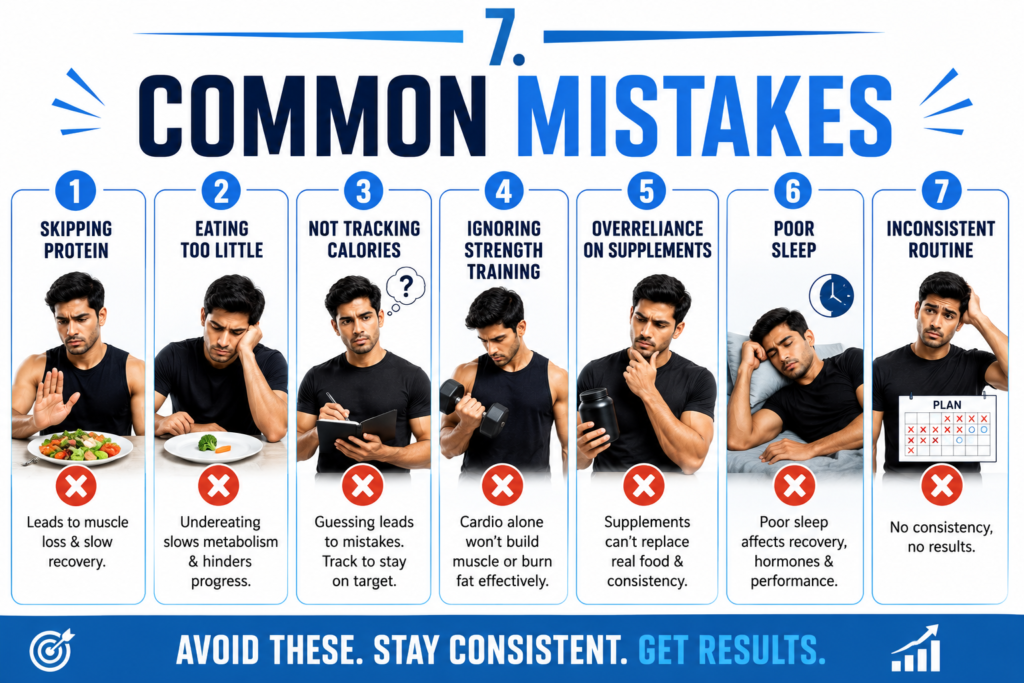
Many people start their fitness journey with motivation and excitement, but small mistakes in diet, workouts, recovery, or daily habits can slow progress and create frustration. Understanding common mistakes is important because avoiding them can help improve results, maintain consistency, and support long-term health transformation naturally.
Fitness is not only about working hard — it is also about following the right habits consistently. Below are some of the most common mistakes people make during their fitness journey.
- Skipping Meals
- Many people believe skipping meals will help them lose weight faster, but this can actually reduce energy levels, slow metabolism, and increase unhealthy cravings later in the day. The body needs balanced nutrition regularly to maintain proper energy and recovery.
- Depending Only on Workouts
- Exercise alone is not enough for proper fitness transformation. Without balanced nutrition, hydration, sleep, and recovery, workout results may remain limited.
- Extreme Dieting or Starvation
- Crash diets and starving the body may provide temporary weight loss, but they can also reduce muscle mass, lower energy levels, and negatively affect overall health.
- Lack of Consistency
- Many people start fitness routines seriously but stop after a short time because they expect instant results. Fitness improvement requires patience and long-term consistency.
- Poor Sleep Habits
- Ignoring sleep can negatively affect recovery, energy, focus, metabolism, and workout performance. The body repairs and grows during rest.
8. Realistic Results Timeline
One of the biggest mistakes people make during their fitness journey is expecting instant results within a few days or weeks. In reality, healthy and sustainable transformation takes time, patience, consistency, and discipline. Every body responds differently depending on age, metabolism, lifestyle, diet, workout intensity, sleep quality, and overall consistency.
Fitness is not a short-term challenge — it is a long-term lifestyle improvement process. Small daily habits repeated consistently create major long-term results. Understanding a realistic timeline helps maintain motivation and prevents frustration when progress feels slow.
First 1–2 Weeks: Body Adjustment Phase
During the first few weeks, the body starts adapting to healthier eating habits, workouts, better hydration, and improved routines. Physical changes may not be very noticeable yet, but important internal improvements begin happening.During this early phase, the body may also start reducing water retention and improving digestion, which can make the body feel lighter and less bloated. Healthy foods provide better nutrients, vitamins, minerals, and hydration that help improve body function naturally. At the same time, regular movement and exercise help activate muscles, improve flexibility, and increase stamina gradually.
Mental improvements are also very common during the first few weeks. Consistent exercise and better routines may improve mood, reduce stress, increase motivation, and improve sleep quality. Many people begin feeling mentally fresher, more focused, and more productive during daily activities.
2–3 Months: Noticeable Fitness Progress
After staying consistent with healthy eating, regular workouts, proper hydration, and better sleep habits for 3–4 weeks, the body slowly starts showing early visible improvements. This stage is very important because many people begin noticing positive physical and mental changes that motivate them to continue their fitness journey with more confidence and discipline.
Although major transformation may still take more time, the body becomes more active, energized, and efficient during this period. Muscles begin adapting to exercise, stamina improves gradually, and the body starts responding better to healthy lifestyle habits. Daily tasks may begin feeling easier because the body is becoming stronger and more physically conditioned.
3–4 Weeks: Early Visible Improvements
After following a healthy routine consistently for about 3–4 weeks, the body usually starts showing early visible improvements both physically and mentally. This phase is exciting for many people because small but noticeable changes begin appearing, which can increase motivation and confidence to continue the fitness journey.
During this period, the body becomes more adapted to regular workouts, healthy eating, proper hydration, and better sleep habits. Muscles start becoming stronger, stamina improves gradually, and daily activities may begin feeling easier and less tiring. Even though major transformation still takes more time, the body starts functioning more efficiently and actively.
9. FAQs (AEO Optimized)
1). Can I get fit without going to the gym?
Yes, you can absolutely get fit without going to the gym. Home workouts using bodyweight exercises such as push-ups, squats, planks, lunges, jumping jacks, and cardio movements can help improve strength, stamina, fat loss, flexibility, and overall fitness. Consistency, healthy eating, proper sleep, and hydration are more important than expensive gym equipment for long-term fitness success.
2).How long does it take to see fitness results?
Fitness results depend on factors like consistency, diet, workout intensity, sleep, metabolism, and body type. Many people start feeling more energetic and active within the first few weeks. Small visible improvements may appear after 3–4 weeks, while more noticeable fat loss and muscle improvement often take 2–3 months of regular healthy habits and workouts.
4). Is a vegetarian diet good for muscle gain?
Yes, a vegetarian diet can support muscle gain very effectively when it includes enough protein and balanced nutrition. Foods like paneer, milk, curd, soy products, lentils, beans, chickpeas, nuts, seeds, tofu, and dairy products provide good-quality protein that helps support muscle recovery and growth naturally.
4).Do I need protein powder for fitness?
No, protein powder is not mandatory for fitness goals. Many people can achieve fat loss, muscle gain, and strength improvement through balanced natural foods alone. Protein powders are only supplements and should not replace healthy meals. A proper diet containing enough natural protein sources is often sufficient for most beginners.
5). Which is better for fat loss: diet or exercise?
Both diet and exercise are important for healthy fat loss. Exercise helps burn calories and improve metabolism, while diet controls calorie intake and provides proper nutrition. The best results happen when healthy eating and regular workouts work together consistently.
Final Conclusion
Achieving a healthy, fit, and active lifestyle does not require expensive gym memberships, extreme dieting, or complicated fitness routines. Real transformation happens through simple daily habits practiced consistently over time. Balanced nutrition, regular workouts, proper hydration, quality sleep, recovery, and mental discipline all work together to create long-term health and fitness success naturally.
This complete fitness and lifestyle guide is designed to help people build healthier habits in a practical, affordable, and sustainable way. Whether your goal is fat loss, muscle gain, better stamina, improved digestion, stronger immunity, or overall wellness, the key is consistency and patience. Small daily improvements eventually create major long-term results.
Remember that fitness is not only about physical appearance — it is about improving energy, confidence, strength, mental well-being, and overall quality of life. Everyone’s journey is different, so focus on your own progress instead of comparing yourself with others.