
If you’re looking for a natural way to push through tough training sessions, drinking Beetroot Juice Before Workout might be exactly what your routine is missing. This vibrant, earthy drink has become a favorite among athletes, gym-goers, and fitness enthusiasts because of its impressive ability to support endurance, blood flow, and overall exercise performance. In this 2026 guide, we’ll break down everything you need to know — from the science-backed benefits to the ideal timing and dosage — so you can get the most out of this simple pre-workout habit.
Why Beetroot Juice Before Workout Is Trending in 2026
Fitness trends come and go, but beetroot juice has stood the test of time for a good reason: it works. Unlike many synthetic pre-workout supplements loaded with caffeine and artificial stimulants, beetroot juice offers a natural performance boost through a compound called dietary nitrate. Once consumed, nitrate converts into nitric oxide in the body, which relaxes and widens blood vessels. This process, known as vasodilation, allows more oxygen and nutrients to reach your muscles during exercise — helping you train harder and recover faster.
As more people move toward clean, whole-food based fitness solutions, drinking Beetroot Juice Before Workout has become a go-to strategy for runners, cyclists, weightlifters, and even casual gym-goers who simply want more energy during their sessions.
15 Fitness and Diet Tips for Fast Weight Loss at Home (Beginner’s Guide)”
Top Benefits of Drinking Beetroot Juice Before Workout
1. Improved Blood Flow and Oxygen Delivery
The nitrates in beetroot juice help widen blood vessels, improving circulation throughout the body. This means your muscles receive oxygen more efficiently, which can delay fatigue and help you push through longer or more intense workouts.
2. Enhanced Endurance and Stamina
Several studies have linked beetroot juice consumption to improved time-to-exhaustion in athletes. Whether you’re doing high-intensity interval training, long-distance running, or cycling, the extra oxygen efficiency can translate into noticeably better stamina.
3. Better Exercise Performance
Because of improved oxygen use and reduced oxygen cost during exercise, many people report they can maintain a higher intensity for longer periods. This is one of the biggest reasons athletes now include beetroot juice before workout sessions as part of their pre-training ritual.
4. Faster Muscle Recovery
The antioxidants and anti-inflammatory compounds in beets, such as betalains, may help reduce muscle soreness after exercise. This means less downtime between workouts and a quicker return to peak performance.
5. Supports Healthy Blood Pressure
Beetroot juice is well known for its ability to naturally support healthy blood pressure levels, thanks to its nitrate content. This is a bonus benefit for anyone focused on long-term cardiovascular health alongside their fitness goals.
6. Natural, Caffeine-Free Energy Boost
Unlike traditional pre-workout drinks that rely on high doses of caffeine, beetroot juice provides a gentler, more sustainable energy lift. This makes it a great option for evening workouts or for people sensitive to stimulants.
15 Best Fitness Tips for Beginners in 2026 – Complete Guide
Best Time to Drink Beetroot Juice Before Workout
Timing matters a lot when it comes to maximizing the benefits of beetroot juice. Research suggests that nitrate levels in the blood peak roughly 2 to 3 hours after consumption. This means the ideal window to drink Beetroot Juice Before Workout is about 2–3 hours prior to training.
However, if you’re short on time, drinking it around 60–90 minutes before exercise can still offer noticeable benefits, especially if you’ve been consuming beetroot juice consistently over several days. Some athletes even follow a “loading phase,” drinking beetroot juice daily for 3–7 days leading up to a big event or competition to build up nitrate stores in the body.
For everyday gym workouts, a simple routine of drinking your juice 2 hours before hitting the gym tends to work well for most people.
Best Fitness Tips Without Gym for a Healthy Lifestyle in 2026
How Much Beetroot Juice Should You Drink Before a Workout?

Dosage is another key factor. Based on current research and fitness expert recommendations, a standard dose is around 300–500 ml (roughly 1.25 to 2 cups) of beetroot juice, consumed 2–3 hours before exercise. If you’re using a concentrated beet juice shot instead, 70 ml is often enough since it contains a higher nitrate concentration. Beginners, on the other hand, should start with a smaller amount — around 150–200 ml — to see how their body responds before gradually increasing the dose.
It’s important not to overdo it. More isn’t always better — sticking to the recommended range helps you get the performance benefits without unnecessary stomach discomfort or excess sugar intake.
Fitness Tips at Home (India) – Complete Guide for Daily Fitness
Who Should Be Cautious With Beetroot Juice Before Workout?

While beetroot juice is generally safe for most healthy individuals, a few groups should be mindful. People with a history of kidney stones should be cautious, since beets are high in oxalates. Those with naturally low blood pressure should also take care, as beetroot juice may lower blood pressure levels further. Similarly, individuals on certain medications — especially blood pressure medications — are advised to consult a doctor before adding it to their routine.
As with any dietary addition, it’s wise to start slow and monitor how your body reacts.
Makhana vs Almonds for Muscle Gain: Which Is Better? Nutrition, Protein & Benefits (2026 Guide)
Tips to Get the Most Out of Beetroot Juice Before Workout
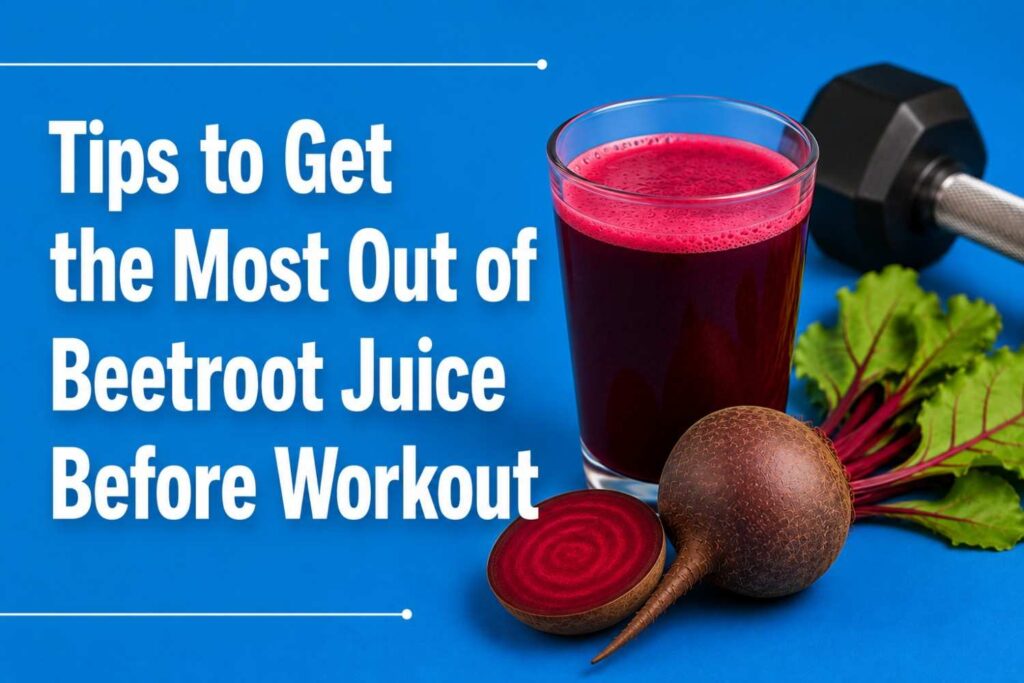
Staying consistent matters more than a single dose — benefits tend to be stronger with regular use over several days. It also helps to avoid antibacterial mouthwash before drinking, since it can kill the oral bacteria needed to convert nitrate into nitric oxide. Pairing your juice with a light, balanced pre-workout snack containing carbs and protein can further support sustained energy. Choosing fresh or cold-pressed juice over processed versions helps preserve nitrate content, and keeping a simple workout log can help you track how your stamina and recovery improve over time.
Peanut Butter Benefits for Fitness: Weight Loss, Muscle Gain & Nutrition Guide (2026)
FAQs: Beetroot Juice Before Workout
1. Can I drink beetroot juice right before a workout?
It’s better to drink it 60–90 minutes before at the very least, since nitrate levels take time to convert into nitric oxide. For best results, aim for the 2–3 hour window.
2. Is beetroot juice better than caffeine-based pre-workout?
It depends on your goals. Beetroot juice offers a gentler, more sustainable energy boost without the jitters or crash associated with high caffeine intake, making it ideal for those sensitive to stimulants.
3. Can I drink beetroot juice every day?
Yes, for most healthy individuals, daily consumption in moderate amounts (300–500 ml) is generally safe and may even enhance the performance benefits over time.
4. Does beetroot juice help with weight loss?
While it’s not a direct weight-loss drink, its ability to improve exercise performance and endurance can indirectly support a more effective fitness and calorie-burning routine.
5. Can beginners drink beetroot juice before workout sessions?
Absolutely. Beginners should start with a smaller dose (150–200 ml) and gradually increase it while observing how their body responds.
6. Does cooking beetroot reduce its nitrate content?
Yes, cooking can lower nitrate levels compared to raw or juiced beets, which is why fresh or cold-pressed beetroot juice is often recommended for workout benefits.
Final Thoughts
Adding Beetroot Juice Before Workout to your fitness routine is a simple, natural way to potentially boost endurance, improve blood flow, and support faster recovery. With the right timing — ideally 2 to 3 hours before training — and a proper dosage of around 300–500 ml, this humble root vegetable juice can become a powerful addition to your 2026 fitness toolkit. As always, listen to your body, stay consistent, and consult a healthcare professional if you have any underlying health conditions before making major changes to your diet or supplement routine.