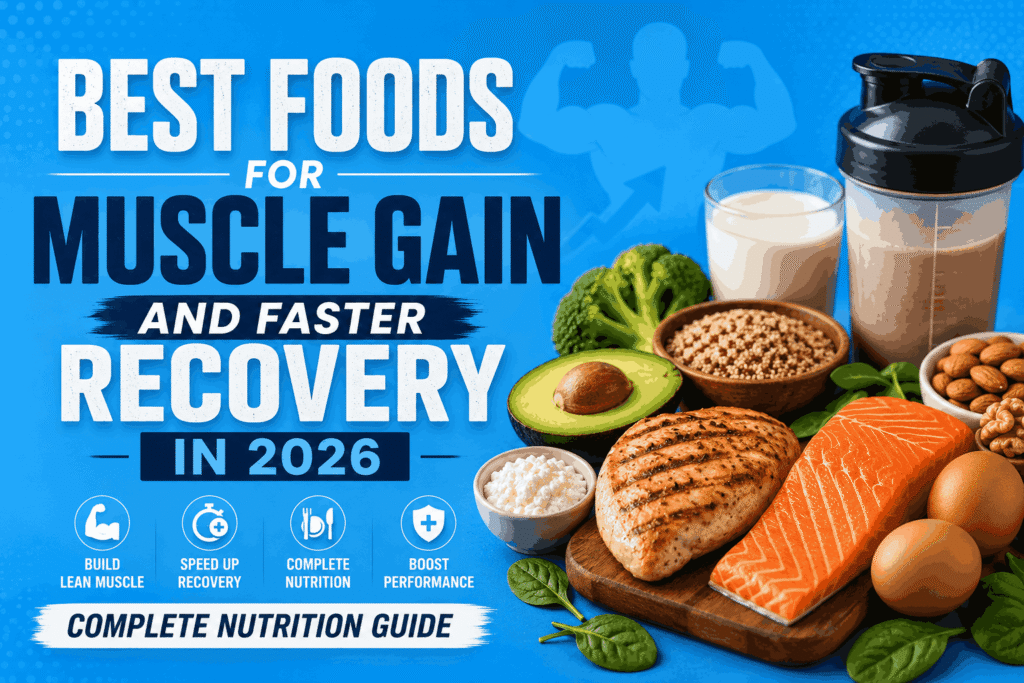

Best Foods for Muscle Gain and Faster Recovery
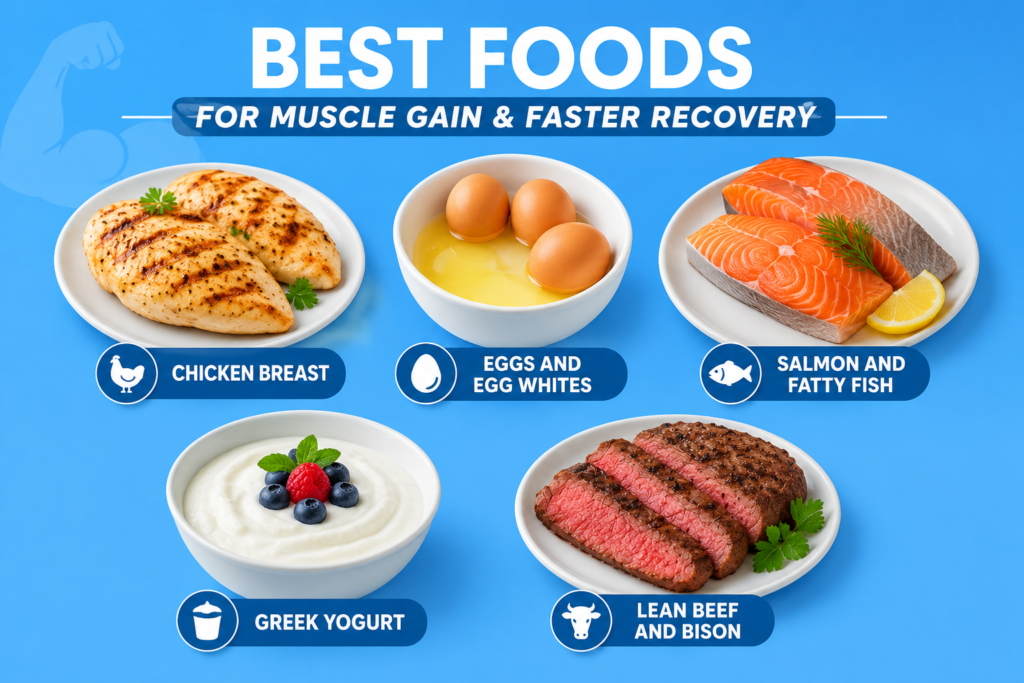
Protein is the cornerstone of any muscle-building diet. The current research suggests that most people engaged in regular resistance training benefit from consuming between 1.6 and 2.2 grams of protein per kilogram of bodyweight per day. But not all protein sources are created equal. Certain foods stand far above others when it comes to bioavailability, amino acid completeness, and their ability to directly stimulate muscle protein synthesis.
Best Home Workout for Weight Loss at Home Without Equipment (2026)
Chicken Breast
~31g protein per 100g · Low fat · Complete amino acid profile
Chicken breast remains one of the most reliable and cost-effective muscle-building foods available in 2026. It is exceptionally lean, high in leucine — the amino acid most responsible for triggering muscle protein synthesis — and extremely versatile in the kitchen. For anyone focused on daily fitness and wanting to maximize lean muscle gain without excess calorie intake, chicken breast should be a staple in the weekly meal rotation.
Eggs and Egg Whites
~6g protein per egg · Rich in leucine and choline
Eggs are often called nature’s perfect muscle food, and the science backs that up. Whole eggs contain a powerful combination of high-quality protein in the whites and hormone-supporting healthy fats and cholesterol in the yolk. Research published in recent years has confirmed that whole egg consumption after exercise stimulates muscle protein synthesis more effectively than egg whites alone, making the whole egg a superior choice for recovery. The choline in egg yolks also supports nerve function and cellular health, which matters deeply for anyone training consistently.
Salmon and Fatty Fish
~25g protein per 100g · Omega-3 fatty acids for recovery
Salmon is one of the most powerful dual-action foods in the muscle and recovery space. It delivers a substantial dose of complete protein alongside omega-3 fatty acids — specifically EPA and DHA — which have been shown in multiple studies to directly reduce exercise-induced muscle damage and accelerate recovery. The anti-inflammatory effects of omega-3s are well-documented, and for athletes who train multiple days per week, this inflammation-reducing property can make a meaningful difference in performance over time. Including salmon or other fatty fish like mackerel and sardines two to three times per week is a smart move for serious gym-goers.
Greek Yogurt
~17g protein per 200g · Casein + whey combination
Greek yogurt is unique among dairy products because it contains both fast-digesting whey protein and slow-digesting casein protein in a single food. This combination makes it particularly valuable for recovery, because the whey component initiates rapid amino acid delivery to muscle tissue while the casein provides a sustained release that continues to feed muscle repair over several hours. Consuming Greek yogurt before bed is a strategy used by professional athletes to maximize overnight recovery and minimize muscle breakdown during the fasting period of sleep.
Lean Beef and Bison
~26g protein per 100g · Creatine · Iron · Zinc
Red meat gets an unfairly negative reputation in some fitness circles, but lean cuts of beef and bison are genuinely excellent muscle-building foods. Beyond protein, they contain naturally occurring creatine — a compound that has decades of research supporting its ability to enhance strength and power output — as well as zinc and iron, two minerals that play essential roles in testosterone production and oxygen delivery to working muscles. For people who train hard and want to maximize their hormonal environment for muscle growth, incorporating lean red meat several times per week can provide benefits that are difficult to replicate with other foods alone.
Best Fitness Tips Without Gym for a Healthy Lifestyle in 2026
Carbohydrates That Fuel Growth and Speed Recovery
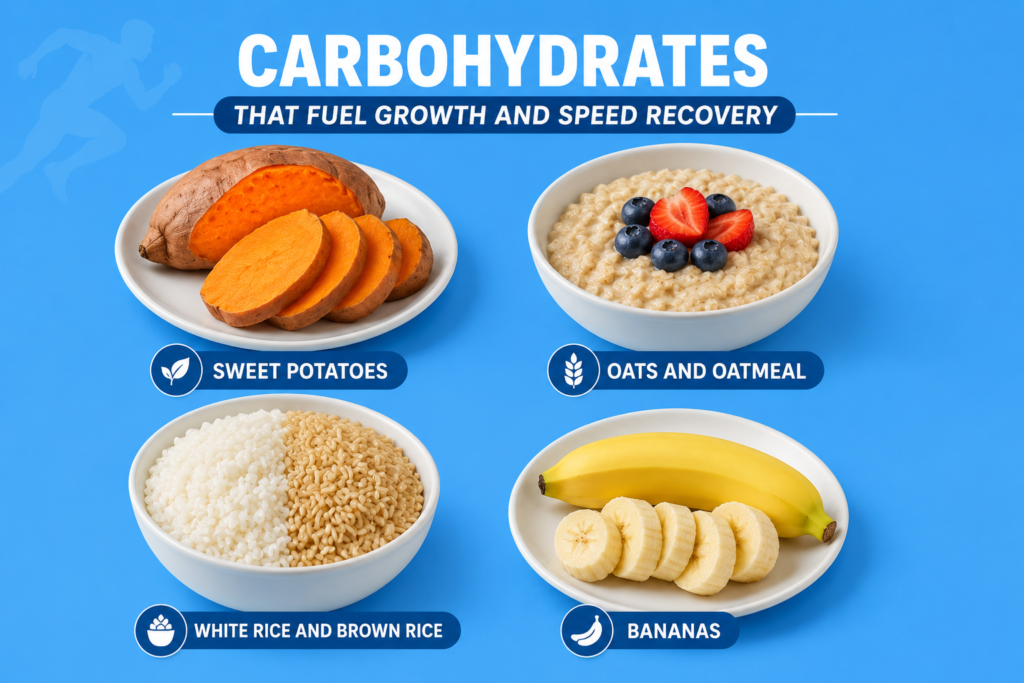
Carbohydrates are the primary fuel source for high-intensity training, and depleted glycogen stores mean reduced performance, greater muscle breakdown, and slower recovery. The strategic use of the right carbohydrate sources is one of the most underappreciated aspects of muscle nutrition. Many people cut carbs too aggressively in an effort to stay lean, not realizing they are actually sabotaging their muscle-building potential in the process.
Lazy Girl Weight Loss Routine at Home for Beginners (2026)
Sweet Potatoes
Complex carbs · Beta-carotene · Potassium · Moderate GI
Sweet potatoes are among the best foods for muscle gain and faster recovery when it comes to the carbohydrate category. They provide a steady release of glucose into the bloodstream, avoiding the blood sugar spikes and crashes associated with refined carbohydrates. Their high potassium content supports electrolyte balance and muscle contraction, while the beta-carotene they contain is converted to vitamin A in the body, supporting immune function — something that is often compromised in athletes who train at high volumes.
Oats and Oatmeal
Beta-glucan fiber · Slow-releasing energy · Iron and magnesium
Oats are a cornerstone of the daily fitness nutrition plan for good reason. They provide a sustained release of energy that keeps blood sugar stable throughout a training session, and their beta-glucan fiber content supports gut health and immune function. Oats are also relatively high in protein compared to other grains, and they pair beautifully with milk, Greek yogurt, or protein powder to create a complete pre-workout meal that covers both protein and carbohydrate needs in a single bowl.
White Rice and Brown Rice
Easily digestible · Fast glycogen replenishment post-workout
White rice has made a significant comeback in sports nutrition in recent years, particularly as a post-workout carbohydrate source. Its simple structure means it is digested and absorbed quickly, making it ideal for rapidly restoring muscle glycogen immediately after training when the muscles are primed to take up glucose. Brown rice, by contrast, is better suited to meals away from training due to its slower digestion. Both have their place in a well-constructed muscle-building diet, and the best approach is to use each strategically depending on meal timing.
Bananas
Fast-acting carbs · Potassium · Magnesium · Dopamine precursors
Bananas are one of the most convenient and effective pre- and post-workout carbohydrate sources available. They contain a natural combination of sugars — fructose, glucose, and sucrose — that provide both immediate and short-term energy. The potassium and magnesium in bananas support muscle function and help prevent cramping during long training sessions. There is also research suggesting that bananas contain compounds that support dopamine production, which may contribute to better motivation and focus during workouts.
Healthy Fats for Hormones and Inflammation Control
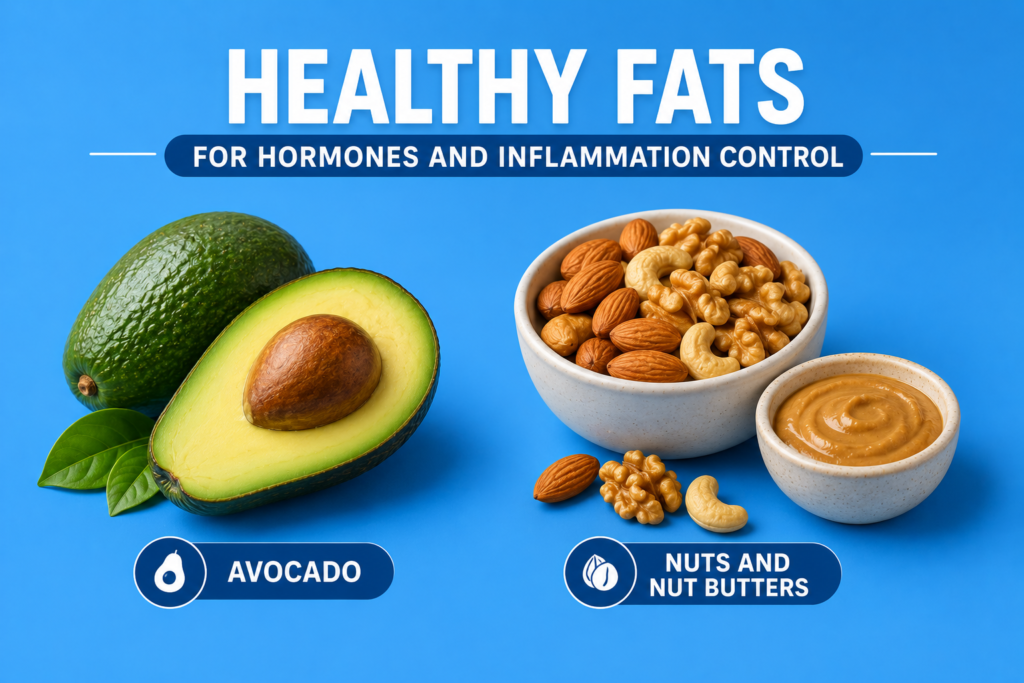
Fat plays an often-overlooked but critical role in muscle building. Dietary fat supports the production of anabolic hormones including testosterone, without which muscle growth is significantly limited. Beyond hormonal support, certain types of fat have powerful anti-inflammatory properties that directly accelerate recovery between training sessions. The key is choosing the right types of fat from the right food sources.
Brown Bread Healthy For Weight Loss? Benefits, Calories & Best Brands
Avocado
Monounsaturated fats · Vitamin E · Glutathione precursors
Avocado is one of the most nutrient-dense whole foods available for athletes. It is rich in monounsaturated fatty acids that support cardiovascular health and testosterone production, and it contains a remarkable array of micronutrients including vitamin E, folate, potassium, and magnesium. Avocado also provides precursors to glutathione — the body’s master antioxidant — which plays a direct role in protecting muscle cells from oxidative stress generated during intense exercise. Adding half an avocado to a post-workout meal or salad is an easy way to accelerate recovery while improving the overall nutritional quality of your diet.
Nuts and Nut Butters
Healthy fats · Magnesium · Vitamin E · Calorie-dense
Almonds, walnuts, cashews, and natural nut butters are calorie-dense foods that are excellent for athletes who struggle to meet their total daily energy needs. Walnuts in particular are notable for their plant-based omega-3 content in the form of alpha-linolenic acid, which while less potent than the marine-derived omega-3s in fatty fish, still contributes to the anti-inflammatory environment needed for optimal recovery. A small handful of mixed nuts before bed alongside Greek yogurt creates a protein-and-fat combination that supports overnight muscle repair.
Micronutrient-Rich Foods That Are Often Ignored
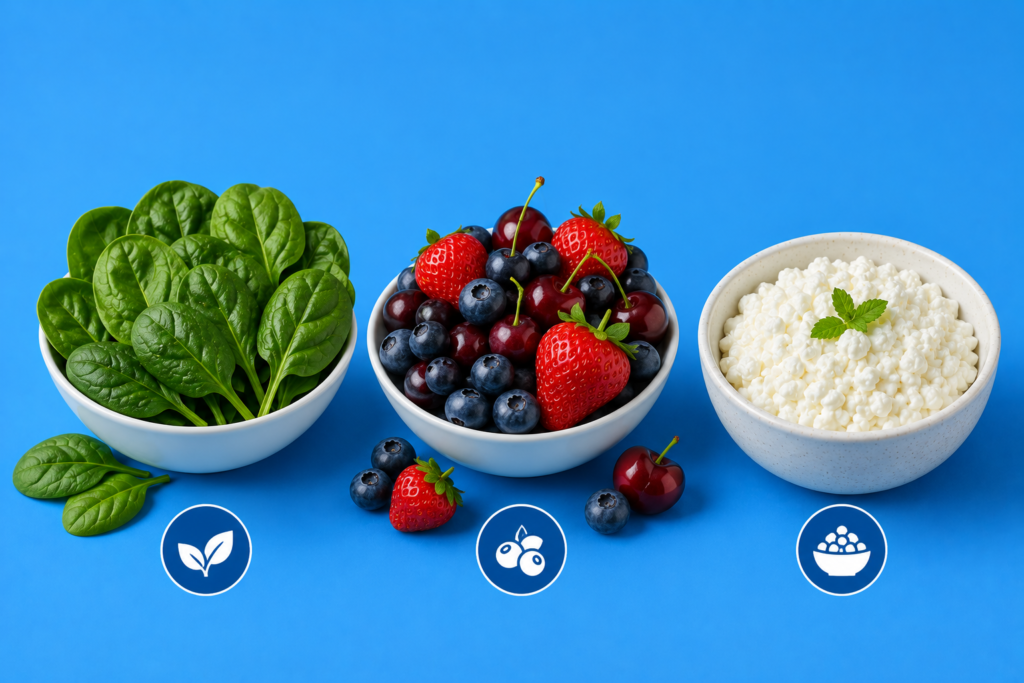
Most nutrition guides for muscle gain stop at macronutrients. But micronutrients — vitamins and minerals — are where the real difference between average and exceptional results lives. Deficiencies in key micronutrients can blunt muscle protein synthesis, impair recovery, reduce testosterone, and increase injury risk, even if your macronutrient intake is perfectly dialed in.
Spinach and Dark Leafy Greens
Magnesium · Iron · Nitrates · Vitamin K
Spinach has received renewed scientific attention in recent years thanks to research on its ecdysterone content — a plant compound that some studies suggest may have anabolic properties — as well as its high concentration of dietary nitrates, which improve blood flow and oxygen delivery to working muscles. Beyond these specific compounds, spinach and other dark leafy greens provide magnesium, iron, and vitamin K, three nutrients that are commonly deficient in active individuals and that play essential roles in muscle contraction, oxygen transport, and bone health respectively.
Berries — Blueberries, Cherries, Strawberries
Anthocyanins · Antioxidants · Reduce DOMS significantly
Berries deserve a dedicated mention in any guide about faster recovery. The anthocyanins and other polyphenol antioxidants found in blueberries, tart cherries, and strawberries have been shown in multiple controlled studies to significantly reduce delayed onset muscle soreness — the aching you feel one to two days after a hard workout. Tart cherry juice in particular has become popular among endurance athletes and strength trainers alike for its ability to reduce inflammation markers and accelerate the return to full performance capacity. Including a serving of mixed berries daily, either in a smoothie, with yogurt, or on oatmeal, is one of the simplest and most enjoyable nutritional strategies available.
Cottage Cheese
~11g protein per 100g · Casein-dominant · Calcium
Cottage cheese is a slow-digesting, casein-dominant protein source that is perfect for supporting overnight muscle recovery when eaten before sleep. Research consistently shows that consuming casein protein before bed increases muscle protein synthesis rates during sleep without negatively impacting fat loss. Its high calcium content also supports muscle contraction and bone density, making it particularly valuable for people who train with heavy loads regularly.
How to Gain Muscle for Females at Home (Complete Indian Guide 2026)
Meal Timing Strategies for Maximum Results
Knowing which foods to eat is only part of the equation. When you eat them matters more than most people realize, particularly around training sessions. The post-workout window — roughly the 60 to 90 minutes following training — is when your muscles are most sensitive to nutrients. Delivering a combination of fast-digesting protein and moderate to high-glycemic carbohydrates during this window has been shown to accelerate glycogen restoration and muscle protein synthesis more effectively than delaying the meal.
An ideal post-workout meal for muscle gain and recovery might look like grilled chicken or canned tuna with white rice and a side of blueberries, or a Greek yogurt protein smoothie with banana and oats. The specific foods matter less than ensuring you are hitting roughly 30 to 40 grams of protein and a similar amount of carbohydrates within that window. Pre-workout nutrition is equally important, and consuming a protein-and-carbohydrate meal two to three hours before training ensures your muscles arrive at the session fueled and primed for performance.
| Timing Window | Focus | Best Food Choices |
|---|---|---|
| 2–3 hours pre-workout | Sustained energy + protein | Oats, chicken, banana, eggs |
| 30–60 min post-workout | Glycogen replenishment + protein synthesis | White rice, salmon, Greek yogurt, berries |
| Before sleep | Overnight recovery + muscle repair | Cottage cheese, casein, nuts, Greek yogurt |
| Throughout the day | Sustained amino acid availability | Lean beef, eggs, sweet potatoes, avocado |
Hydration and Recovery Foods You Cannot Overlook
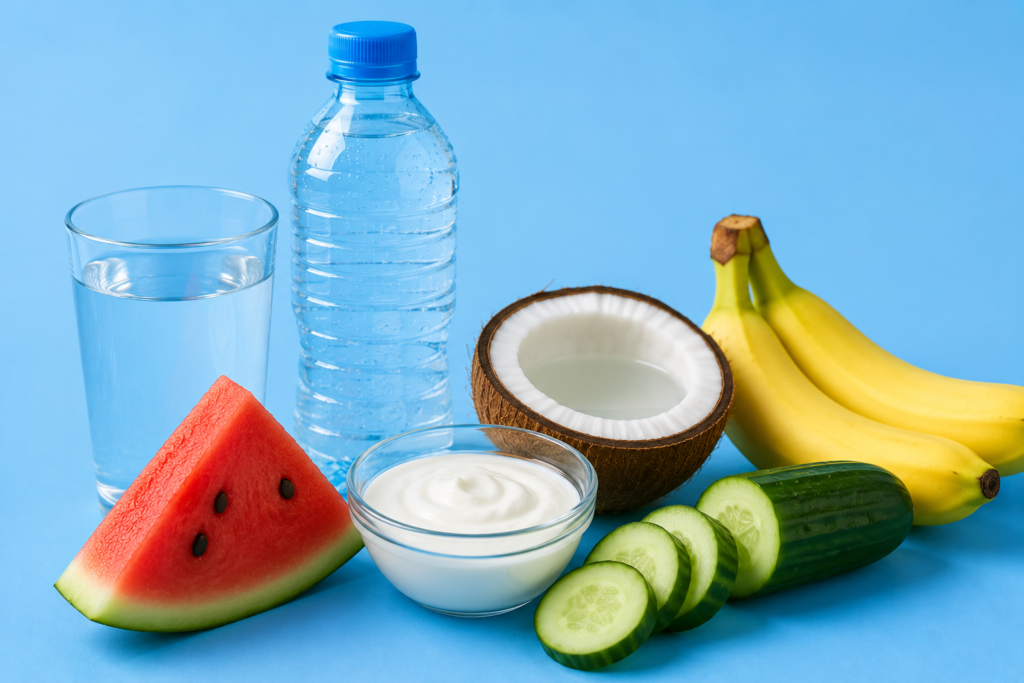
No nutrition guide for muscle gain and recovery is complete without addressing hydration. Muscle tissue is composed of approximately 75 percent water, and even mild dehydration — as little as two percent of bodyweight — can measurably impair strength output, endurance, and recovery speed. Water should be your primary hydration tool, with a baseline intake of at least 35 milliliters per kilogram of bodyweight per day, increasing meaningfully on training days and in hot environments.
Coconut water has emerged as a popular natural electrolyte source among fitness enthusiasts, providing potassium, magnesium, and sodium in a form that the body absorbs readily. Watermelon, which is both a hydrating food and a source of the amino acid citrulline, has also gained traction in sports nutrition research for its ability to reduce muscle soreness and improve exercise performance. These functional foods represent a new category of recovery nutrition that goes beyond simple macronutrient intake and addresses the body’s deeper physiological needs after strenuous training.
The cumulative effect of consistently eating the best foods for muscle gain and faster recovery compounds over weeks and months. The athlete who eats well on Monday recovers faster, trains harder on Wednesday, recovers better again, and over a year has made dramatically more progress than the athlete relying solely on protein shakes and generic meal plans. Daily fitness success is built in the kitchen as much as in the gym.
Muscle Gain Workout at Home Without Gym: Complete Beginner Guide 2026
Building Your Daily Nutrition Plan Around These Foods
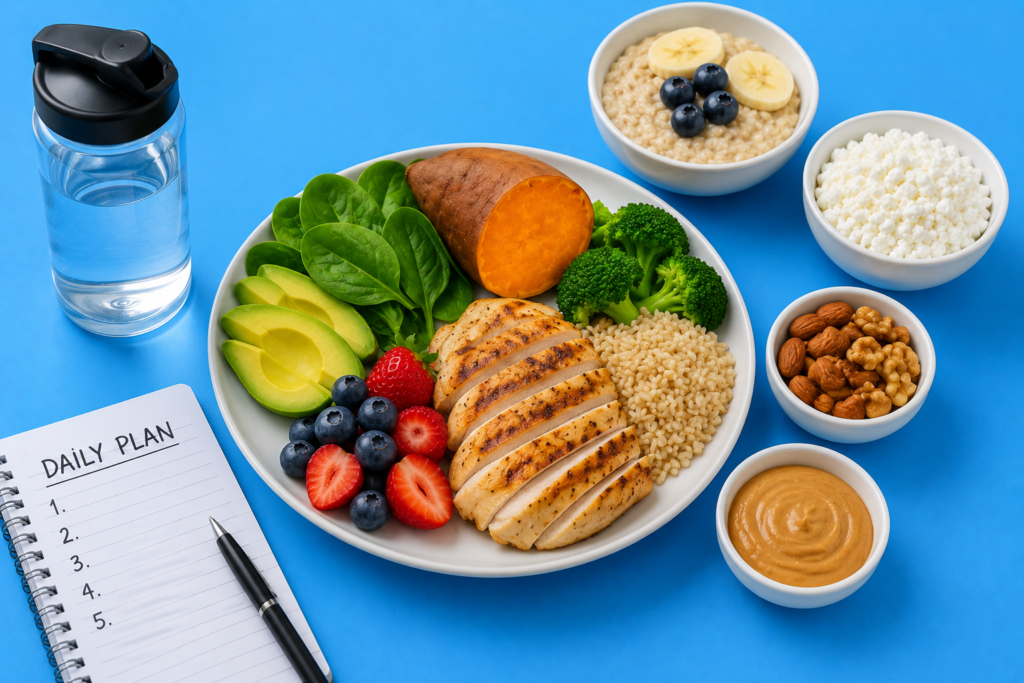
The practical application of everything discussed in this guide comes down to building a sustainable daily eating pattern that includes these high-value foods consistently. You do not need to eat perfectly at every meal. What matters is the overall nutritional quality of your diet across days and weeks. Prioritize getting high-quality protein at every meal — aiming for three to four protein-focused meals per day. Structure your carbohydrate intake around your training sessions, placing your highest-carbohydrate meals before and after workouts when your body is best positioned to use them for performance and recovery.
Include fatty fish at least twice per week for omega-3 intake. Eat dark leafy greens and colorful vegetables daily for micronutrients and anti-inflammatory phytonutrients. Have a slow-digesting protein source before bed to support overnight recovery. And treat berries and tart cherry juice as functional recovery tools rather than mere snacks. This simple framework — built around the best foods for muscle gain and faster recovery identified throughout this guide — will give your body everything it needs to grow stronger, recover faster, and perform better every single day.
The world of sports nutrition will continue to evolve, and 2026 is bringing sharper scientific clarity to many of the questions that previously relied on anecdote and tradition. But the foundational principles remain consistent: high-quality protein from diverse sources, strategic carbohydrate intake around training, anti-inflammatory fats, micronutrient-rich whole foods, and adequate hydration. Master these principles through the foods highlighted in this guide, and your daily fitness results will speak for themselves.